Key takeaways
- Best Overall: Gorilla Grip Cat Litter Mat, coiled mesh, 35×23
- Best Washable Fabric Mat: Drymate Cat Litter Box Mat, 28×36 XL
- Best Value Honeycomb: Pieviev Litter Box Mat, double-layer, 30×24
- Best Budget: Powools Cat Litter Mat, 23.2 x 14.6 in
- Best Silicone Mat: Pawtasy Extra Large Cat Litter Mat, 40 x 28 in
- Best for Big Diggers: Pawkin Cat Litter Mat, Litter Lock mesh, extra large
The best kitty litter mat for most homes is the Gorilla Grip coiled mesh mat in the 35×23 size, because its raised coils and deep grooves hold scattered granules while staying easy to vacuum or rinse. The runner-up is the Drymate 28×36, a soft machine-washable fabric mat that suits cats that drag urine or damp litter out of the box. This guide takes a different route from a simple ranking: it sorts six litter mats by material (honeycomb plastic, coiled mesh, polyester fabric and silicone), because the material decides how the mat behaves once a cat has actually walked across it.
If you came looking for the best kitty litter mat, the short version is that no single design wins every home. A cat that kicks hard needs a big, deep-textured mat. A cat that tracks wet paws needs a waterproof backing. A cat in a studio flat needs a mat that is not larger than the available floor. We matched each pick below to one of those situations and flagged what the listings do not say. We did not personally use these products; this guide is research-based, drawing on listing details, manufacturer pages and independent coverage.
Our top picks


As an Amazon Associate we earn from qualifying purchases at no extra cost to you.
Top Picks at a Glance
- Best Overall: Gorilla Grip Cat Litter Mat, coiled mesh, 35×23
- Best Washable Fabric Mat: Drymate Cat Litter Box Mat, 28×36 XL
- Best Value Honeycomb: Pieviev Litter Box Mat, double-layer, 30×24
- Best Budget: Powools Cat Litter Mat, 23.2 x 14.6 in
- Best Silicone Mat: Pawtasy Extra Large Cat Litter Mat, 40 x 28 in
- Best for Big Diggers: Pawkin Cat Litter Mat, Litter Lock mesh, extra large
Comparison Table: Litter Mats by Material
| Product | Material and type | Key specs | Watch for | Price tier |
|---|---|---|---|---|
| Gorilla Grip 35×23 | Coiled mesh plastic | 35×23 in; deep catch grooves; rinse or vacuum | Not designed to absorb liquid | Mid-range |
| Drymate 28×36 XL | Polyester fabric, waterproof backing | 28×36 in; machine washable; urine-proof | Fabric holds fine granules until washed | Mid-range |
| Pieviev 30×24 | Double-layer honeycomb | 30×24 in; urine-proof layer; gray | Honeycomb can need a shake-out often | Mid-range |
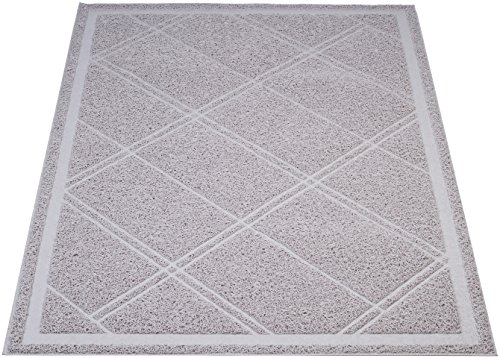
| Powools 23.2 x 14.6 | Honeycomb, waterproof, non-slip | 23.2 x 14.6 in; grey | Small footprint for large boxes | Budget |
| Pawtasy XL silicone | Silicone | 40 x 28 in; waterproof; non-slip | Large; needs floor space | Premium |
| Pawkin Litter Lock | Patented litter lock mesh | Extra large; durable; fits under litter box | Exact dimensions vary by option | Premium |
1. Gorilla Grip Cat Litter Mat (35×23): Best for Most Homes
- Coiled mesh trapping surface with deep catch grooves
- 35×23 inch size (the brand also sells smaller and larger sizes)
- Soft-on-paws design with scatter control, per the listing
- Textured backing meant to keep the mat from sliding
- Cleans by vacuuming, or by rinsing with mild soap and water
Best for: Multi-cat homes and any cat that kicks litter outward. Skip if: your main problem is urine or wet paws, because the mesh design is built to catch granules, not to absorb liquid.
The coil construction is the reason this mat sits at the top. Granules fall between the coils and into the grooves instead of bouncing across the floor, so the mat acts like a shallow tray that cats walk over. At 35×23 inches it extends well past the litter box entrance on a standard box, which is where most scatter lands. Because it is plastic rather than fabric, you can pick it up, tilt it over the litter box or bin, and most of the trapped litter slides back.
The practical trade-off is texture. Mesh mats are slightly stiffer than fabric, and a cat that dislikes the feel of the coils may hesitate at the box entrance. Most cats adapt, but a kitten or a senior cat with sore paws deserves a trial run. If your cat is a heavy digger, put the mat’s long edge along the box opening so it covers the exit path rather than the sides.
Pros: Deep grooves hold scattered litter; easy to vacuum or rinse; several sizes available; textured backing; no fabric to wash.
Cons: Not absorbent; stiffer than fabric; large sizes take floor space.
2. Drymate Cat Litter Box Mat (28×36 XL): Best Washable Fabric Mat
- 28 x 36 inch extra-large size
- Polyester fabric top with a liquid-proof backing, according to the maker’s description
- Machine washable
- Non-slip footing, soft on paws
- Described as urine-proof and absorbent in the listing title
Best for: Cats that carry damp litter or occasional urine splash outside the box, and owners who prefer to launder rather than rinse. Skip if: you want a hard surface you can simply tip out, since fine granules can cling to fabric until it is shaken and washed.
Drymate takes the opposite approach to mesh. Instead of creating a trap for granules, it creates a soft, absorbent landing zone with a waterproof underside, so liquid does not reach the floor. That matters in homes with wood or laminate flooring, where repeated moisture is the real risk. The 28×36 size is generous, and the design is intended to lie flat rather than curl.
Maintenance is a routine rather than a rinse: shake the mat out outdoors or over a bin, then run it through the washer when it needs it. Check the care label on the product you receive for temperature and drying guidance, since the listing does not give a full wash protocol. Clumping litter that gets damp can stick to fabric, so a quick shake before the mat gets saturated helps.
Pros: Soft underfoot; machine washable; waterproof backing protects flooring; large footprint.
Cons: Retains fine litter until shaken out; needs laundering; not rigid.
3. Pieviev Litter Box Mat (30×24): Best Value Honeycomb
- Double-layer, urine-proof design
- 30 x 24 inch gray mat (a 24 x 15 size is also listed)
- Honeycomb surface that captures scattered litter
- Waterproof lower layer
- Backing material: not listed
Best for: Standard litter boxes in homes that want waterproofing without paying for the largest mats. Skip if: your cat sprays or you have a very large box, where a bigger mat is safer.
Honeycomb mats use a perforated top layer over a solid lower layer. Litter drops through the openings and sits beneath the surface where paws cannot kick it out again, and the bottom layer keeps liquid from soaking into the floor. The design is popular because it is flat, light and easy to slide into a corner. The 30×24 size gives you roughly a paw-length of coverage on the front and one side of a standard rectangular box.
To clean it, lift the top layer if it separates (check the version you buy) or simply tip the whole mat over a bin. Honeycomb needs a regular shake-out; if you let it fill completely, trapped litter starts to track again. Pieviev’s smaller 24 x 15 option exists, but for any box wider than a typical medium pan, the 30×24 is the safer choice.
Pros: Double-layer design; waterproof lower layer; flat and light; sensible size for most boxes.
Cons: Needs regular emptying; honeycomb openings can be hard to clean thoroughly; less cushioned than fabric.
4. Powools Cat Litter Mat (23.2 x 14.6): Best Budget
- 23.2 x 14.6 inches, grey
- Waterproof and non-slip, per the listing
- Litter-trapping honeycomb design
- Sold in larger sizes too, including 27 x 19 and 30 x 24
- Easy to clean, according to the maker
Best for: Small boxes, kittens, apartments and anyone trying a mat for the first time. Skip if: you have a large or hooded box and a vigorous digger; step up to a bigger size in the same line instead.
The appeal here is straightforward: an inexpensive mat that does the basics. The 23.2 x 14.6 footprint is small, but if your litter box sits in a closet or beside a washer, a small mat may be the only thing that fits. If you like the design but need more coverage, the same brand lists 27 x 19 and 30 x 24 versions, so the choice is about floor space rather than quality tiers.
Because the listing offers limited detail on thickness or backing, treat this as a low-risk way to see whether your cat accepts a mat at all. If it works, you can invest in a larger or more specialised design later.
Pros: Low cost; compact; multiple sizes in the same line; waterproof and non-slip claims.
Cons: Small footprint; limited specs listed; may need to be replaced sooner.
5. Pawtasy Extra Large Silicone Litter Mat (40 x 28): Best Silicone Mat
- Silicone construction
- 40 x 28 inches, grey
- Waterproof and non-slip, per the listing
- Extra-large trapping surface
- Care steps: not listed in detail, though silicone is generally rinsed or wiped
Best for: Owners who hate odor retention and want a surface that wipes or rinses clean. Skip if: you have limited floor space or want a very thick cushioned feel.
Silicone does not soak up liquid the way fabric does, which makes it appealing for urine-prone situations. It also tends to be easier to sanitise because there is nothing for moisture to sink into. At 40 x 28 inches, this mat covers an area large enough for a standard box and the surrounding landing zone, so even enthusiastic diggers end up on the mat more often than the floor.
Silicone can feel slippery on the underside if the floor is polished, so check the backing on arrival and place the mat on a dry, clean surface. Pooled liquid stays on top rather than soaking in, so wipe or rinse promptly. As with all mats, watch your cat’s behaviour for a week and adjust placement.
Pros: Wipes and rinses clean; waterproof; very large coverage; no fabric to launder.
Cons: Takes floor space; liquid pools instead of absorbing; texture may feel unfamiliar to some cats.
6. Pawkin Cat Litter Mat (Litter Lock Mesh): Best for Big Diggers
- Patented design with litter lock mesh, per the listing
- Extra-large size; exact dimensions vary by option and are not listed in the title
- Described as durable, easy to clean and soft
- Made to fit under the litter box
Best for: Cats that dig and scatter far from the box. Skip if: you need exact dimensions up front; check the option you select.
The selling point is containment. A mat that tucks under the litter box and extends outward reduces the gap where litter lands between box and mat, and the lock-style mesh is intended to hold granules instead of letting them bounce. Because the title does not give dimensions, measure your space and compare with the option offered before ordering.
Pros: Designed to sit under the box; mesh holds litter; durable construction described; soft feel claimed.
Cons: Dimensions vary by option; pricier than basic mats; fewer specs in the title.
Also Consider
- Petinstinct Double Layer Honeycomb (24×18): A compact honeycomb mat with a listing focused on efficient trapping and easy cleaning; good for small bathrooms.
- Glittme Non-Slip Washable Mat (33×22): A mid-size washable option for people who want something between compact and extra large.
- Anywish XL Urine-Proof Mat (47×33): A very large mat for multi-cat setups or open litter areas.
- Polarduck Compact Mat (23.6×14.6): A small-space pick with a leakproof back layer listed.
How We Chose
This guide is research-based. We searched a retail product catalog for real, currently sold litter mats, then compared listing details, manufacturer descriptions and independent coverage of mat materials. We did not personally use these products and do not claim lab measurements. We limited the list to two products per brand, covered budget, mid-range and premium tiers, and left out any spec that the listing did not state. Where a detail such as backing material or exact dimensions is missing, we say “not listed” and recommend checking the product page before buying.
We organised the picks by material because material determines most behaviour: honeycomb hides litter below the surface, coiled mesh holds it in grooves, fabric absorbs moisture and silicone sheds it. A mat can be excellent in one scenario and mediocre in another, so a ranking without context would not help you choose well.
Buying Guide
Match material to the problem
Start with what actually leaves the box. If it is dry granules, coiled mesh and honeycomb are strong choices because they let litter fall below the walking surface. If it is damp clumps or urine drips, favour a waterproof backing, either silicone or a fabric mat with a liquid-proof underside. For mixed problems, choose a large silicone or fabric mat so the splash zone is fully covered.
Size it to the box, not the room
A practical rule is to choose a mat that extends at least one cat length beyond the entrance, which for most adult cats is around 18 to 24 inches. A mat that only matches the box width leaves the exit gap uncovered. For a standard rectangular box, 30×24 is a reasonable minimum; for a top-entry or hooded box, extend the mat further on the entry side. For multi-cat homes, aim for 35 inches or more on the long side.
Check the litter type
Fine, dust-style clumping litter finds its way into fabric and tight honeycomb, while larger pellet litters get stuck in mesh and sharp grooves. If you use crystal, pine pellet or paper litter, check that the openings or coils are not too narrow, and expect to shake out more often. Lightweight litters bounce further, so prefer larger sizes.
Think about cleaning frequency
Plan on emptying or shaking a mat every few days and doing a full wash or rinse weekly or every other week. Fabric mats need washer time; plastic and silicone mats need a sink or tub. If you do not want to haul a large mat to the bathroom, a medium size is easier to manage.
Watch the paws and the floor
Some cats avoid textured surfaces, so introduce a mat gradually and watch for hesitation at the box. For floors, look for a non-slip underside and make sure the mat sits flat. If you notice litter box avoidance after adding a mat, remove it and consult your veterinarian if the behaviour continues, since changes in litter habits can have medical causes.
Common Mistakes to Avoid
- Buying a mat that matches the box width but not the exit path.
- Choosing an absorbent fabric mat for a cat that sprays without checking the waterproof backing.
- Letting a honeycomb mat fill completely before emptying.
- Skipping a trial period for cats that dislike new textures.
Placement and Cleaning Routine That Makes Any Mat Work Better
Even the best kitty litter mat underperforms if it is placed badly. Put the mat so that the litter box entrance sits at one of its short edges, with the rest of the mat extending in the direction the cat walks out. Cats usually exit in a straight line, so a mat that runs lengthwise from the opening intercepts far more granules than one laid across the front. If the box sits against a wall, extend the mat along the open side as well, because cats that dig in the corner tend to fling litter sideways.
Next, set a simple cleaning routine. A quick daily check takes seconds: lift one corner, tip stray litter back toward the box or into a dustpan, and put the mat down again. Once a week, take the mat to a bathtub, utility sink or outdoor space for a deeper clean. Plastic mesh and silicone mats can be rinsed and left to air dry, while fabric mats go through the washer according to the care label. Always let a mat dry fully before putting it back, because a damp mat under a litter box can hold odor and feel unpleasant to a cat.
Finally, think about the surface under the mat. On hardwood or laminate, a non-slip underside and a waterproof layer protect the floor. On carpet, a mat with a rigid or semi-rigid body lies flatter than a thin fabric one, but spills are harder to clean, so many owners prefer a waterproof mat in carpeted rooms. If you rent, a large waterproof mat is also a low-cost way to protect the floor and reduce the chance of a deposit dispute.
A last tip for multi-cat homes: use one large mat per box rather than one mat shared between boxes. Shared mats get saturated quickly, and cats may start avoiding a box whose approach feels dirty. If you rotate two mats, you can wash one while the other stays in use, which keeps the area consistently clean.
Material Cheat Sheet
- Coiled mesh: best for dry scatter, easy to rinse, not absorbent.
- Honeycomb double layer: hides litter below the surface, adds a waterproof layer, needs regular shaking out.
- Polyester fabric with waterproof backing: soft and absorbent on top, machine washable, holds fine granules until shaken.
- Silicone: wipes clean, repels liquid, large sizes cover the landing zone but take space.
Frequently Asked Questions
What is the best kitty litter mat for a cat that kicks litter everywhere?
A large coiled mesh mat such as the Gorilla Grip 35×23 or an extra-large silicone mat is the most practical choice. Both catch granules in grooves instead of letting them bounce, and the larger size covers the landing zone around the entrance.
Are honeycomb litter mats better than mesh mats?
Neither is universally better. Honeycomb hides litter below the surface and often adds a waterproof layer, while mesh holds litter in grooves and is easier to tip out. Choose based on whether urine or dry scatter is your main issue.
How big should a cat litter mat be?
Choose a mat that extends at least 18 to 24 inches beyond the box entrance. For a standard rectangular box, 30×24 inches is a sensible minimum, and multi-cat homes do better with 35 inches or more.
Can you machine wash a litter mat?
Fabric mats such as the Drymate are designed for machine washing, while plastic mesh and silicone mats are meant to be rinsed or vacuumed. Check the care label before using a washer, and shake out loose litter first to avoid clogging drains.
Do litter mats stop odor?
A mat reduces odor mainly by keeping litter and urine off the floor, but it does not neutralise smells on its own. Clean the mat on a regular schedule and scoop the box daily.
Will a litter mat bother my cat?
Most cats adjust within days, but some dislike stiff or textured surfaces. Introduce the mat gradually, and if your cat avoids the box after you add it, remove it and ask your veterinarian if the behaviour persists.
How often should I replace a litter mat?
Replace it when edges curl, the backing wears through or cleaning no longer removes odor. Plastic and silicone mats can last a long time with regular rinsing, while fabric mats show wear sooner. The listings do not state a service life, so judge by condition.
Which One Should You Buy?
If you want one dependable choice, buy the Gorilla Grip 35×23 coiled mesh mat. If moisture is your issue, pick the Drymate 28×36 or the Pawtasy silicone mat. If you only have room for a small mat, start with the Powools compact and size up later. For a middle path with a waterproof layer, the Pieviev 30×24 is a sensible value pick, and the Pawkin suits determined diggers. Measure your space, think about your litter type and choose the material that solves your actual mess.
Sources
- Gorilla Grip manufacturer product information for coiled mesh litter mats
- Drymate manufacturer product information for litter trapping mats
- Pieviev, Powools, Pawtasy and Pawkin product listings and maker descriptions
- General pet care publications on litter box habits and veterinary guidance
Last updated: October 2026