Key takeaways
- Choose full-body decoys when realism and long-range visibility matter more than pack weight.
- Choose shells when you need moderate realism with easier stacking and transport.
- Choose silhouettes when distance, wind, and carrying efficiency are the priorities.
- Choose motion only when you can protect the mechanism and replace batteries.
- Choose turkey decoys with rigid, quiet stakes that will not collapse during repositioning.
The best hunting decoys are the ones that match your target species, survive repeated transport, and can be deployed quickly enough that setup does not cost you the hunt: use full-body or flocked waterfowl decoys for maximum realism, lightweight collapsible silhouettes for long walks, a motion decoy when wind or batteries are dependable, and a carefully placed turkey decoy set when concealment and posture matter more than flock size.
Our top picks

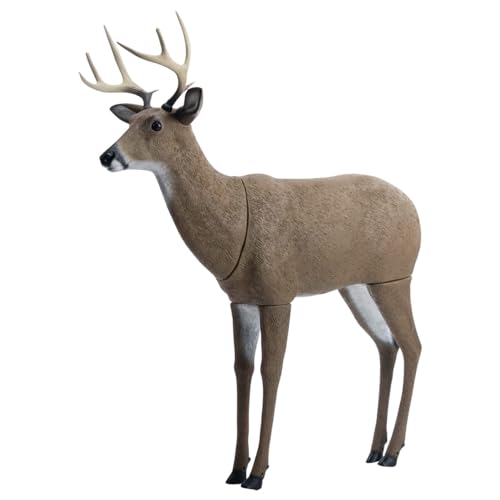

As an Amazon Associate we earn from qualifying purchases at no extra cost to you. Ratings are shown as listed on Amazon.
Best hunting decoys by situation
| Hunting situation | Best decoy type | Why it fits | Main compromise |
|---|---|---|---|
| Large waterfowl spread on a field or lake | Full-body or oversized floating decoys | Strong species detail, visible profiles, and convincing body volume | Bulky storage and heavier transport |
| Public-land walk-in hunt | Collapsible silhouettes or soft-sided decoys | Low carrying weight and compact storage | Less three-dimensional realism at close range |
| Calm-water duck hunt | Weighted keel floaters plus one motion decoy | Stable spread with added ripples and movement | Motion unit needs batteries and maintenance |
| Turkey hunt in timber or field edge | One hen and one subordinate or strutting tom decoy | Small setup, clear social message, and fast repositioning | Incorrect posture can discourage mature birds |
| Occasional multi-species hunter | Modular silhouettes and species-specific heads or bodies | Lower storage demand and broader use | Usually less realistic than dedicated full-body sets |
What separates realistic decoys from merely visible ones?
Species detail
Realism starts with the silhouette, not the paint alone. A mallard drake should have the correct head-to-body proportion, curled tail profile, and resting posture. Canada goose decoys need a long neck, broad chest, and enough body volume to remain recognizable at distance. Turkey decoys are especially sensitive to posture: a relaxed hen communicates something different from a rigid, upright tom.
Flocked heads and backs reduce glare and can look more natural in bright conditions. They also require more care than molded plastic because wet mud, abrasive transport bags, and careless stacking can flatten or remove the finish. Painted molded plastic is generally easier to clean and often the better choice for hunters who set up in flooded timber, marsh mud, or icy conditions.
Motion
Motion can make a small spread appear active, but it is not automatically an improvement. A spinning-wing duck decoy is most useful when the surrounding birds can see movement across open water or fields. In strong wind, the same device may look excessive. Motion decoys also create a second failure point: switches corrode, battery contacts loosen, and rotating parts collect grit.
For goose hunting, a few stationary full-body decoys with natural spacing can look more believable than a large number of identical shells. For turkey hunting, movement should usually come from the hunter’s calling and the real bird; a decoy that twists unnaturally in the wind can undermine an otherwise good setup.
Head-to-head: full-body, shell, silhouette, and inflatable decoys
| Type | Typical size | Typical weight | Setup time for 12 | Packed storage | Best use |
|---|---|---|---|---|---|
| Full-body waterfowl | 24–30 inches long | 2–4 pounds each | 15–25 minutes | 2–4 cubic feet | Field geese and high-realism spreads |
| Floating shell | 16–20 inches long | 1.5–3 pounds each | 10–18 minutes | 1.5–3 cubic feet | Boats, blinds, and mixed water sets |
| Collapsible silhouette | 20–30 inches long | 0.5–1.5 pounds each | 8–15 minutes | 0.5–1.5 cubic feet | Walk-in hunts and large spreads |
| Inflatable | 18–28 inches long | 0.5–1.5 pounds each | 15–30 minutes | 0.5–1 cubic foot | Hunters prioritizing low carry weight |
| Turkey decoy | 20–30 inches tall | 2–6 pounds each | 2–5 minutes | 0.3–0.8 cubic foot | Close-range field and timber setups |
These are useful planning ranges rather than universal specifications. A flocked full-body goose decoy can exceed the listed weight, while a thin silhouette may pack even smaller. Before buying, measure the actual carrying bag, not only the individual decoy.
Waterfowl: choose realism according to distance
For open fields, full-body goose decoys from established manufacturers such as Avian-X, Dakota Decoys, Higdon Outdoors, and Final Approach are designed around volume and visible posture. The important comparison is not simply the brand name. Look for multiple head positions, stable field stakes, paint that can be touched up, and a bag with separate compartments so bodies do not rub together.
For ducks on water, molded floaters with weighted keels are usually the practical baseline. A keel that fills with water adds stability, while a line system with adjustable depth helps keep the spread natural in shallow and deeper areas. Motion products such as MOJO-style spinning-wing decoys can add visibility, but carry spare batteries and protect the motor from mud and spray.
A useful coverage calculation is more informative than buying by package size. If each decoy occupies roughly a 6-foot circle in a loose landing zone, 24 decoys can cover about 680 square feet when spaced in a staggered pattern. That does not mean the spread must be a perfect circle; it shows why adding six carefully placed decoys may improve the landing pocket more than adding six directly beside the blind.
Turkey: posture and placement beat quantity
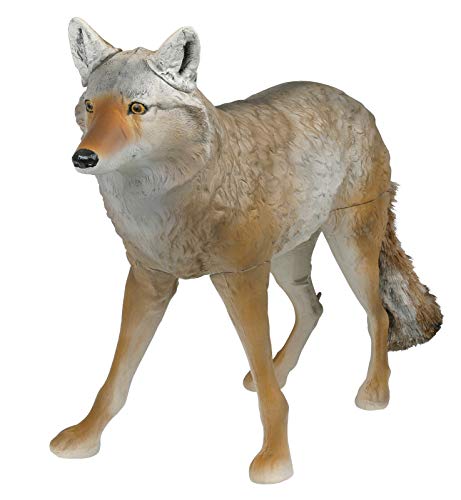
A turkey setup rarely needs the carrying burden of a waterfowl spread. A hen decoy paired with a subordinate or feeding tom can suggest a social interaction without filling the field with artificial birds. Realistic turkey decoys from specialist makers such as Dave Smith Decoys are known for detailed body shapes, while less expensive foam or molded options can still work when placed at a distance and viewed against suitable terrain.
Use a relaxed hen when you want to present a nonthreatening social cue. A strutting tom may attract a dominant bird, but it can also cause a cautious mature tom to hang up. Keep the decoy visible from likely approach routes, yet place it far enough from the hunter that a bird’s attention is directed away from the blind or hide. Always follow local rules concerning decoy use, seasons, and visibility requirements.
Portability, setup time, and ownership cost
Decoy cost is only one part of ownership. Suppose a $240 set is used for eight outings per season over three seasons: that is 24 uses, or about $10 per outing before replacement stakes, bags, batteries, and repairs. A $500 full-body set used 50 times over five seasons costs the same $10 per outing. The more frequently you hunt, the more valuable durable paint, strong stakes, and a repairable design become.
For walk-in hunts, weight matters more than the advertised number of decoys. Twelve 1-pound silhouettes weigh 12 pounds before adding stakes and a bag. Twelve 3-pound full-body decoys weigh 36 pounds, which can turn a long approach into a reason to leave part of the spread behind. A smaller, well-spaced set that actually reaches the hunting location is better than a larger set left in the truck.
- Choose full-body decoys when realism and long-range visibility matter more than pack weight.
- Choose shells when you need moderate realism with easier stacking and transport.
- Choose silhouettes when distance, wind, and carrying efficiency are the priorities.
- Choose motion only when you can protect the mechanism and replace batteries.
- Choose turkey decoys with rigid, quiet stakes that will not collapse during repositioning.
Durability problems that appear first
Stakes and keels usually fail before the molded body. Thin metal stakes bend when forced into frozen ground, while plastic keels can crack if decoys are dropped into a truck bed. Inspect these parts before the season and carry several replacements. On flocked decoys, the finish around the head and breast receives the most abrasion. Store those pieces loosely enough that they are not crushed.
Clean mud and salt residue with fresh water, then let decoys dry fully before storage. Do not seal damp decoys in an airtight tote; trapped moisture encourages odor, mildew, and corrosion. Store motion-decoy batteries separately, wipe contacts occasionally, and keep motors in a padded compartment. Avoid dragging decoys across gravel, since scratches create bright patches that are difficult to disguise.
Final buying decision
For the best all-around waterfowl value, select durable molded floaters or shells with varied poses and a reliable bag. For field geese and maximum realism, invest in full-body decoys from a reputable manufacturer and accept the added weight. For public land and long walks, silhouettes provide the best portability-to-coverage ratio. For turkey, spend less on quantity and more on natural posture, quiet stakes, and a compact carry system. The best hunting decoys are not necessarily the most expensive; they are the ones whose realism, movement, durability, and storage demands match the places and frequency of your actual hunts.