
Why Cat Flea Prevention Matters More Than You Think
Fleas are one of the most persistent parasites affecting domestic cats in the United States and around the world. While many pet owners assume that indoor cats are safe from flea infestations, the reality is that fleas can hitch a ride inside on your shoes, clothing, or other pets. A single female flea can lay up to fifty eggs per day, meaning a small problem can become a full-blown household infestation within weeks. Cat flea prevention is not just about relieving an itch. Heavy flea loads can cause anemia, especially in kittens and older cats, and flea allergy dermatitis triggers intense itching, hair loss, and secondary skin infections that require veterinary treatment. Starting a consistent prevention routine is far easier and more cost-effective than managing an active infestation.
How Fleas Find Their Way Onto Your Cat
Understanding how fleas enter your home helps you close the gaps that allow them to settle in. Fleas typically arrive through three main pathways. First, outdoor cats or neighborhood animals such as raccoons, opossums, and stray cats carry adult fleas into your yard, where the parasites can live in grass and soil for extended periods. Second, if you have a dog that goes outside, fleas can transfer from the dog to your cat during shared time indoors. Third, fleas attach to humans as they walk through infested areas and then drop off inside your home. Fleas thrive in warm, humid environments and prefer to lay their eggs in carpet fibers, pet bedding, upholstery, and floor cracks. The larval stage feeds on organic debris and adult flea feces, making unclean carpets an ideal breeding ground. Even homes in cooler climates are vulnerable during spring and summer, and heated indoor spaces can harbor fleas year-round.
Our top picks
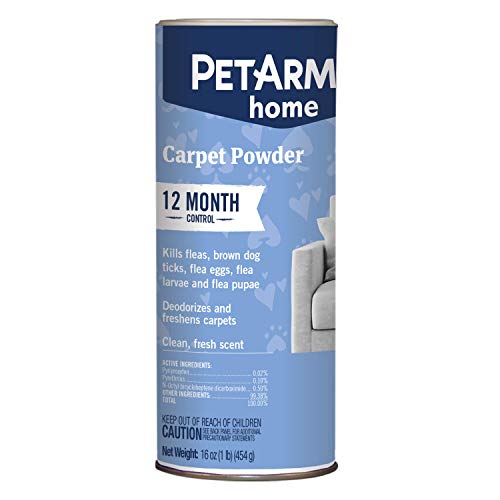 PETARMOR Home Carpet Powder for Fleas and
- PETARMOR Home & Carpet Powder kills fleas, brown…
- PetArmor Home Carpet Flea and Tick Powder contains…
- PetArmor Home Carpet Flea and Tick Powder kills…
 Chewable Flea and Tick Prevention for Dogs
- Bite-Sized Protection, Big-Time Benefits: soft chews offer daily…
- No Drops, No Drama: Tired of the hassle…
- Naturally Nourishing, Powerfully Gentle: Formulated with Coconut Oil,…
 Flea and Tick Prevention for Dogs Chewables
- Hassle Free Oral Protection: Ditch the messy topical…
- Total Pest Shield Defense: Keep your furry friend…
- Advanced Prevention Formula: Stop infestations before they can…
| Product | Key specs | |
|---|---|---|
| PETARMOR Home Carpet Powder for Fleas and | PETARMOR Home & Carpet Powder kills fleas, brown… PetArmor Home Carpet Flea and Tick Powder contains… PetArmor Home Carpet Flea and Tick Powder kills… | Check price |
| Chewable Flea and Tick Prevention for Dogs | Bite-Sized Protection, Big-Time Benefits: soft chews offer daily… No Drops, No Drama: Tired of the hassle… Naturally Nourishing, Powerfully Gentle: Formulated with Coconut Oil,… | Check price |
| Flea and Tick Prevention for Dogs Chewables | Hassle Free Oral Protection: Ditch the messy topical… Total Pest Shield Defense: Keep your furry friend… Advanced Prevention Formula: Stop infestations before they can… | Check price |
 K9 Advantix II XL Dog Vet-Recommended Flea K9 Advantix II XL Dog Vet-Recommended Flea | K9 Advantix II Extra Large Dog 30-day treatment… Kills fleas within 12 hours of application Vet-recommended formula kills & repels on contact so… | Check price |
 PetArmor Plus Flea & Tick Topical Dogs PetArmor Plus Flea & Tick Topical Dogs | Effective, Waterproof Flea Treatment for Dogs: PetArmor Plus… Trusted, Vet Quality* Formula: Containing fipronil and (S)-methoprene,… Break the Flea Cycle: Unlike other flea and… | Check price |
 Advantage II Large Cat Vet-Recommended Flea Treatment Advantage II Large Cat Vet-Recommended Flea Treatment | Advantage II Large Cat is a leading brand… Vet-recommended, easy-to-apply monthly topical treatment Delivers total flea protection | Check price |
 FRONTLINE Plus Flea & Tick Spot Treatment FRONTLINE Plus Flea & Tick Spot Treatment | The #1 name in flea and tick protection Trusted by pet owners for over 20 years** Fast-acting, long-lasting flea and tick treatment thats waterproof… | Check price |
 Amazon Basics Preventative Topical Flea Treatment and Amazon Basics Preventative Topical Flea Treatment and | One 6-dose pack of Amazon Basics Flea Topical… Eliminates fleas in just 12 hours, providing your… Formulated with Imidacloprid and Pyriproxyfen to kill adult… | Check price |
As an Amazon Associate we earn from qualifying purchases at no extra cost to you.
Proven Methods for Effective Flea Control
There is no single silver bullet for flea control, but a layered approach works best. Start with a veterinarian-recommended topical or oral flea preventive applied on schedule without gaps. Topical treatments applied to the back of the neck kill adult fleas on contact and often include an insect growth regulator that stops eggs and larvae from maturing. Oral options work systemically and eliminate fleas after they bite, which is useful for cats that spend time outdoors. For cats that are averse to topical applications, chewable tablets or injectable preventives administered by your vet during routine visits offer convenience and compliance.
Environmental management is equally important. Vacuum carpets, rugs, and upholstered furniture at least two to three times per week, paying special attention to baseboards and under furniture where eggs and larvae accumulate. Wash your cat’s bedding in hot water weekly to kill all life stages of the flea. In severe cases, a professional-grade household flea spray containing both an adulticide and an insect growth regulator can break the life cycle in the environment. Treat all pets in the home simultaneously, even those showing no signs of infestation, because cats are skilled at hiding discomfort until the problem escalates.
Common Mistakes That Undermine Flea Prevention
One of the most frequent errors cat owners make is stopping preventive treatment during winter or when they do not see fleas on their pet. Fleas survive indoors in all seasons, and adult fleas spend most of their life cycle hidden in the environment rather than on the host. By the time you notice fleas jumping on your cat, hundreds of eggs and larvae are likely already developing in your carpet. Another common mistake is using dog flea products on cats without veterinary guidance. Some ingredients safe for dogs, including permethrin, are toxic to cats and can cause seizures or death. Always read product labels carefully and consult your veterinarian before trying a new treatment, especially if your cat has pre-existing health conditions, is pregnant, or is a kitten under eight weeks of age.
Staying consistent with prevention, treating your home regularly, and recognizing the early signs of a flea problem give your cat the best chance at a comfortable, healthy life free from these irritating parasites.





Write Your Review
No reviews yet. Be the first to share your experience!