Key takeaways
- Switching abruptly. Move over 7 to 10 days; cats can refuse unfamiliar food or get an upset stomach.
- Feeding dog food. Cats need taurine and other nutrients dog food lacks.
- Free-feeding dry food to an indoor cat, which makes weight gain easy. Measure portions.
- Leaving wet food out for hours. Discard after about 30 minutes to an hour at room temperature.
The best cat food is a complete and balanced formula that is high in animal protein, includes plenty of moisture, and suits your cat’s age and health. For most healthy adults, a mix of wet and dry food from a brand such as Purina Pro Plan, Hill’s Science Diet or Royal Canin works well, with Tiki Cat and Fancy Feast as strong wet-food options. This guide compares seven current choices by format, label strengths and trade-offs. General information only: ask your veterinarian before changing the diet of a cat with kidney, urinary, diabetic or digestive issues.
Our top picks
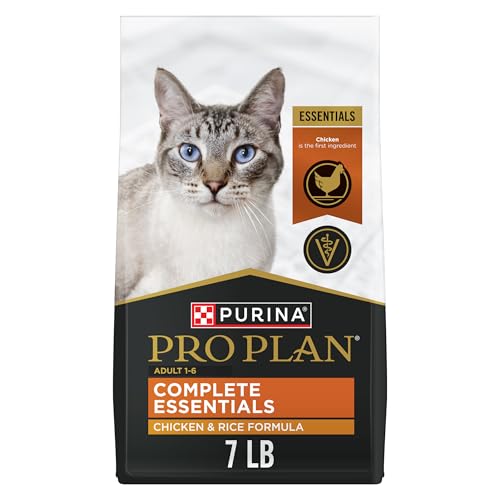

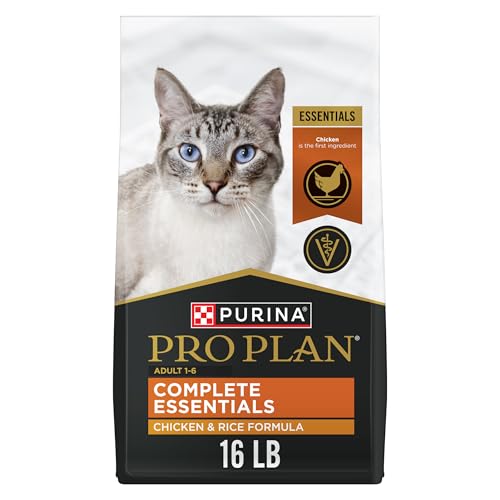

As an Amazon Associate we earn from qualifying purchases at no extra cost to you.
Quick Comparison of the Best Cat Foods for 2026
| Pick | Best for | Format | Key label point | Price range |
|---|---|---|---|---|
| Purina Pro Plan Adult | Best overall dry food | Dry | Protein-forward, multiple recipes for sensitive skin and stomach | Mid |
| Hill’s Science Diet Adult | Best vet-trusted staple | Dry and wet | Consistent formulation, indoor and hairball versions | Mid |
| Fancy Feast Classic Pate | Best budget wet food | Wet, 3 oz can | High moisture, many flavors | Budget |
| Tiki Cat After Dark / Luau | Best high-protein wet food | Wet | Meat-first, low carbohydrate | Upper |
| Royal Canin Indoor Adult | Best for indoor cats | Dry and wet | Tuned kibble size and calories for lower activity | Mid to upper |
| Wellness CORE | Best grain-free-style option | Dry and wet | High protein, limited filler | Upper |
| Smalls | Best fresh food | Fresh, refrigerated | Human-grade ingredients, subscription | Premium |
Best Overall Dry Food: Purina Pro Plan Adult
Pro Plan has recipes for hairball control, sensitive skin and stomach, urinary tract health, weight management and indoor cats. Chicken or salmon typically leads the ingredient list, and the line carries a complete and balanced adult maintenance statement. It is easy to find in stores and online, which matters for a food you will buy every month.
The trade-off is that dry food is lower in moisture than canned food and contains more carbohydrate. If you feed it, pair it with a water fountain and at least some wet meals.
Best Vet-Trusted Staple: Hill’s Science Diet Adult
Hill’s makes dry and canned versions of its adult, indoor, hairball control and sensitive stomach and skin recipes. Each formula follows fixed nutrient targets, and the company also makes prescription diets, so switching to a therapeutic diet later is simple if your vet recommends it.
It is plainly labeled rather than trendy, and some owners find the cost per bag high for the ingredients. It is a practical option when you want a predictable, well-documented food.
Best Budget Wet Food: Fancy Feast Classic Pate
Fancy Feast Classic Pate in 3 oz cans is one of the most widely available wet foods and comes in dozens of flavors, which helps with picky cats. Pate texture is easy to portion and to mix with a splash of water. The recipes are complete and balanced for adult maintenance.
It is not the highest quality on the shelf, and some flavors contain by-products and fish that not every cat tolerates. Use it as an affordable base, and rotate flavors gradually rather than all at once.
Best High-Protein Wet Food: Tiki Cat
Tiki Cat focuses on shredded whole-meat and fish recipes in broth, with short ingredient lists and no grains. Cats that favor fish or poultry in a shredded texture often take to it. The brand is aimed at owners who want a low-carbohydrate, meat-first approach.
It costs more per can than mainstream wet food, so many owners use it as a rotation or topper. Check that the specific recipe states it is complete and balanced rather than intended for supplemental feeding.
Best for Indoor Cats: Royal Canin Indoor Adult
Indoor cats burn fewer calories and cough up more hairballs. Royal Canin’s Indoor formulas adjust calories, add fiber and are designed to support stool odor and hairball management, according to the maker. The kibble is shaped for easier chewing and picking up.
It is pricier than basic brands and uses grains and by-product ingredients that some owners prefer to avoid. It suits cats that spend their days on the couch and need portion control.
Best Grain-Free-Style Option: Wellness CORE
Wellness CORE offers high-protein pates and kibble with turkey, chicken and salmon. Many cat owners choose grain-free for perceived digestive benefits. Unlike in dogs, the FDA heart-disease investigation centered on dog diets, but veterinarians still advise being cautious about any food choice that is driven by marketing rather than need.
It is an upper-priced pick and a good choice if you want protein-forward food without exotic ingredients.
Best Fresh Food: Smalls
Smalls delivers fresh-cooked or minimally processed cat food on subscription, with recipes designed with veterinary nutritionists, per the company’s site. Palatability is the main selling point, and cats that ignore canned food sometimes eat it eagerly.
It is the most expensive option here and requires refrigerator and freezer space. If cost is a concern, use it as a topper on a standard complete food.
How to Choose Cat Food
Why moisture matters
Cats evolved to get most of their water from prey and often drink little. Wet food is about 75 to 80 percent water, versus roughly 10 percent in kibble. For cats prone to urinary issues, more moisture is generally helpful, but confirm with your vet.
Protein and carbohydrate
Cats are obligate carnivores. Look for a named animal protein first and check that the guaranteed analysis shows protein levels above the AAFCO adult minimum of 26 percent on a dry matter basis for dry food. Many canned foods run much higher.
Life stage
Kittens need higher calories, DHA and protein. Seniors may need easier-to-chew textures and kidney-conscious diets. Choose “growth” or “all life stages” for kittens and an adult or senior label for the rest.
Worked Example: Wet and Dry Feeding Plan
A 10 lb adult indoor cat needs roughly 200 calories per day. A typical 3 oz can of pate has about 70 to 90 calories, and dry food around 350 to 400 calories per cup (check your label). One approach: feed two cans, about 160 calories, plus a quarter cup of kibble for about 90, which slightly exceeds the target for some cats. Adjust by watching body condition and weight monthly. Always use the calorie content printed on your specific food.
Mistakes to Avoid
- Switching abruptly. Move over 7 to 10 days; cats can refuse unfamiliar food or get an upset stomach.
- Feeding dog food. Cats need taurine and other nutrients dog food lacks.
- Free-feeding dry food to an indoor cat, which makes weight gain easy. Measure portions.
- Leaving wet food out for hours. Discard after about 30 minutes to an hour at room temperature.
Frequently Asked Questions
Is wet food better than dry food for cats?
Wet food provides more moisture and is generally lower in carbohydrate, which many vets favor, especially for urinary health. Dry food is cheaper and convenient. A combination often works well.
How often should I feed my cat?
Most adult cats do well with two to three measured meals a day. Kittens need three or four. Free-feeding is common but makes it harder to notice appetite changes.
What is the healthiest cat food?
The healthiest option is a complete and balanced food with named animal protein, appropriate for your cat’s life stage and health. Brands with veterinary nutritionists and transparent sourcing are safer picks.
Can cats eat grain-free food?
Many can, but grain-free is not necessary for most cats. Carbohydrate content and overall formulation matter more than whether grains are present.
How do I switch my cat to a new food?
Mix about 25 percent new food with 75 percent old for a few days, then move to half and half, then mostly new. Slow changes reduce refusal and digestive upset.
Which Cat Food Should You Buy?
Choose Pro Plan or Hill’s for a reliable dry staple, Fancy Feast to keep wet feeding affordable, Tiki Cat for a meat-first rotation, Royal Canin Indoor for sedentary cats, and Smalls when you want fresh food and can afford it. Combining a good wet food with measured kibble covers most households.