Key takeaways
- Rinse the rod with clean, lukewarm water after muddy or gritty trips, then dry it before storage.
- Do not use the rod as a hook remover or pull a snag by sharply lifting the blank. Point the rod at the snag and pull with the line instead.
- Check guide inserts for cracks by passing a cotton swab around the inside edge. A damaged insert can fray line quickly.
- Store the rod with the sections separated or lightly assembled, away from direct heat and prolonged sunlight.
- Keep the rod in a sleeve during transport. Rod tips and guide frames are often the first parts damaged by car doors, ceiling fans, and loose tackle.
Best Spinning Rods for Freshwater Fishing
The best spinning rods for freshwater fishing are usually 6’6″ to 7′ long, medium-light or medium power, with fast or moderate-fast action; the right choice depends on the species, lure weight, casting space, and whether portability matters more than maximum performance.
Quick picks by fishing situation
| Fishing situation | Recommended specification | Why it fits |
|---|---|---|
| Small streams, panfish, trout | 5’6″–6’6″, ultralight or light, fast action, 2–8 lb line | Accurate casts in tight spaces and a more enjoyable fight from small fish |
| All-purpose bass, walleye, and mixed species | 6’6″–7′, medium-light or medium, fast action, 6–12 lb line | Broad lure range and enough backbone for larger fish |
| Heavy cover and large bass | 7’–7’3″, medium-heavy, fast action, 10–17 lb line | Improved leverage for hook-setting and steering fish away from vegetation |
| Long casts for shore fishing | 7’–7’6″, medium or medium-light, moderate-fast action, 6–12 lb line | Longer casting distance and better line control |
| Travel and limited storage | 4-piece travel rod, 6’6″–7′, medium-light or medium | Fits luggage or a vehicle compartment while retaining useful versatility |
The most useful all-around choice
For one rod that covers the greatest number of freshwater techniques, choose a 6’6″ or 7′ medium-light spinning rod with fast action and a line rating around 6–12 pounds. Pair it with a 2000- or 2500-size spinning reel and 6- to 10-pound monofilament, fluorocarbon, or braided line with a leader.
Our top picks
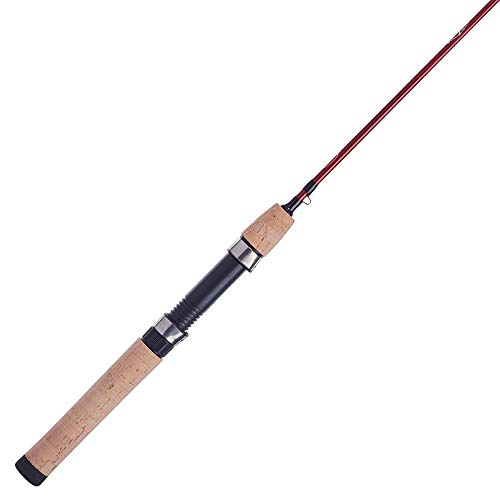


As an Amazon Associate we earn from qualifying purchases at no extra cost to you. Ratings are shown as listed on Amazon.
This combination handles small crankbaits, inline spinners, soft-plastic rigs, tube baits, light jigs, and live bait. Medium-light power is sensitive enough for subtle bites but has more reserve than an ultralight rod. If largemouth bass in thick vegetation are the main target, move up to medium power and a 7-foot length.
Rod length: casting distance versus control
Short rods: 5’6″ to 6’6″
Short rods are easier to maneuver beneath trees, around docks, and along narrow creeks. They also make accurate sidearm and underhand casts easier. Their limitation is leverage: they generally cast less distance and provide less ability to keep line above shoreline obstacles.
Choose a short rod for brook trout streams, panfish, small ponds, kayak fishing, or young anglers who benefit from compact equipment.
General-purpose rods: 6’6″ to 7′
This range is the safest starting point for most anglers. It offers a useful balance of accuracy, casting distance, hook-setting leverage, and transportability. A 7-foot rod also helps keep line off the water when working a soft plastic or suspending lure from shore.
Long rods: 7′ to 7’6″
Longer rods can improve casting distance and line control, particularly from a bank or pier. They are useful for walleye presentations, light swimbaits, float rigs, and covering broad water. However, they are less convenient in dense vegetation, small boats, and confined storage spaces.
Power and action are different
Power describes how much force it takes to bend the rod. Ultralight and light rods suit small lures and small fish; medium-light is versatile; medium and medium-heavy rods handle heavier lures, stronger line, and powerful fish.
Action describes where the rod bends. A fast-action rod bends mainly near the tip. It transmits vibration well and gives a quick hook-setting response, making it a strong choice for jigs, soft plastics, and single-hook lures. A moderate or moderate-fast rod bends farther down the blank, helping keep treble-hooked fish connected and reducing the chance of pulling hooks from a fish’s mouth.
| Power | Typical lure range | Typical line range | Good freshwater uses |
|---|---|---|---|
| Ultralight | 1/32–1/8 oz | 2–6 lb | Panfish, small trout, tiny stream lures |
| Light | 1/16–1/4 oz | 4–8 lb | Trout, crappie, perch, finesse presentations |
| Medium-light | 1/8–3/8 oz | 6–12 lb | Walleye, bass, mixed species, general-purpose fishing |
| Medium | 1/4–5/8 oz | 8–14 lb | Bass, catfish, larger walleye, heavier soft plastics |
| Medium-heavy | 3/8–1 oz | 10–17 lb | Heavy cover, large bass, frogs and bulky rigs |
These ranges are useful planning figures rather than universal rules. Always check the lure and line ratings printed on the specific blank. Overloading a rod with a lure above its rating can damage the blank during a cast, especially when using a hard, high-effort casting motion.
Handle materials and comfort
Cork is light, warm to the touch, and comfortable for many anglers. It can develop dents or darkened areas after heavy use, and lower-grade cork may contain visible filler. Choose a clean, well-shaped grip if you fish for long sessions.
EVA foam is durable, inexpensive, and easy to clean. It tolerates rough storage better than cork and is a practical choice for children, boat fishing, and frequent transport. Dense EVA generally feels more supportive and resists compression better than very soft foam.
Split grips reduce weight and expose part of the blank, while full-length grips offer more support when casting heavier lures or fighting stronger fish. For most light and medium freshwater work, either design is suitable; grip shape and reel-seat comfort matter more than appearance.
One-piece versus two-piece and travel rods
A one-piece rod usually provides the most continuous blank feel and eliminates a ferrule connection, but it can be awkward to store. A two-piece rod is much easier to transport and is perfectly adequate for general freshwater fishing when the connection is properly seated.
Four-piece travel rods are the most portable. Their sections commonly pack to roughly 20–25 inches, compared with about 40–45 inches for a two-piece 7-foot rod. The trade-off is additional ferrule care and, sometimes, a little more weight or a less seamless bend. Inspect each connection before fishing and keep grit out of the ferrules.
Choosing by budget and frequency of use
| Budget category | Typical market range | Best expectation |
|---|---|---|
| Entry level | $25–$60 | Durable general-purpose construction, usually a heavier blank and basic guides |
| Mid-range | $60–$150 | Lower weight, improved sensitivity, better reel-seat and guide quality |
| Premium | $150–$350 or more | Refined balance, lighter materials, higher sensitivity, and more specialized actions |
For occasional pond trips, an entry-level medium-light or medium rod is usually sufficient. Fish weekly and the lower weight and improved balance of a mid-range rod may be noticeable by the end of a long session. A premium rod makes the most sense when sensitivity, specialized lure control, or reduced fatigue justifies the cost—not simply because it has a higher price.
Ownership details that affect lifespan
- Rinse the rod with clean, lukewarm water after muddy or gritty trips, then dry it before storage.
- Do not use the rod as a hook remover or pull a snag by sharply lifting the blank. Point the rod at the snag and pull with the line instead.
- Check guide inserts for cracks by passing a cotton swab around the inside edge. A damaged insert can fray line quickly.
- Store the rod with the sections separated or lightly assembled, away from direct heat and prolonged sunlight.
- Keep the rod in a sleeve during transport. Rod tips and guide frames are often the first parts damaged by car doors, ceiling fans, and loose tackle.
Line is a consumable, not a permanent part of the setup. Replace monofilament when it becomes cloudy, coiled, or visibly abraded; inspect braid and leader knots frequently around rocks and vegetation. A well-maintained mid-range rod can remain useful for many seasons, while careless transport can break an expensive rod on its first outing.
Final buying recommendation
If you want one dependable starting point, select a 6’6″–7′ medium-light, fast-action, two-piece spinning rod rated for approximately 6–12-pound line and 1/8–3/8-ounce lures. Choose ultralight for small fish and tight streams, medium for bass and heavier rigs, and a four-piece travel design when storage or transportation is the deciding factor. Match the rod to the lures you actually cast, then choose the reel and line to stay inside those ratings.