A compact, pet-specific treadmill with a low starting speed, side panels and an emergency stop suits most small dogs, while a leash walk or indoor play session is often a simpler choice for toy breeds that tire quickly. Small-dog owners should check the belt width, the stated weight range and the machine’s minimum speed, and should ask a veterinarian before starting, especially for dogs with joint, heart or breathing concerns.
Our top picks
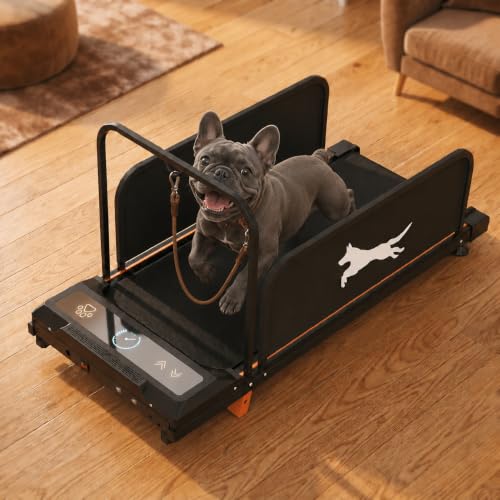

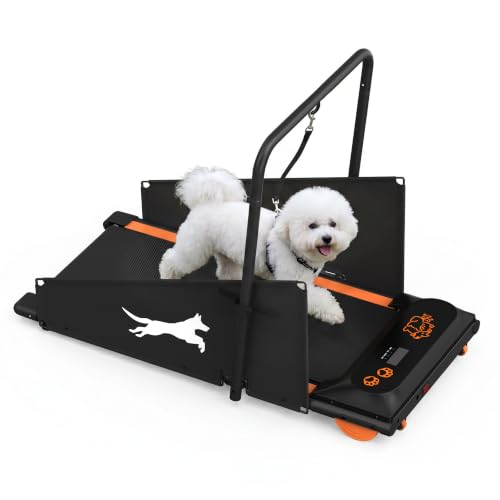
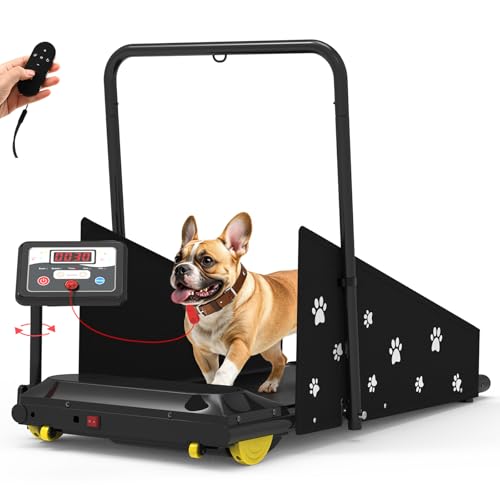 CIIHI Dog Treadmill for Medium Small Dogs
- 【Multifunction Display and Remote】The 360° rotatable display of…
- 【Keeping Fur Baby Safe】The side panels on the…
- 【Easy to Use & Save Space】The treadmill for…
As an Amazon Associate we earn from qualifying purchases at no extra cost to you.
Dog Treadmills for Small Dogs at a Glance
| Type | Examples | Best for | Key traits | Limits |
|---|---|---|---|---|
| Compact motorized pet treadmill | DogPacer smaller models and similar pet-focused brands | Small dogs, apartment exercise | Narrower belt, lower speeds, side panels | Not for dogs above the stated weight; premium for the category |
| Foldable or portable pet treadmill | Various compact designs | Tight spaces, occasional use | Lighter frame, easier storage | Less sturdy; check stated limits and panel gaps |
| Manual (non-motorized) mini treadmill | Dog-driven designs | Energetic small dogs that can pull the belt | No motor; dog sets pace | Hard for very small, young or older dogs |
| Human treadmill | Generic fitness machines | Not generally advised | Familiar equipment | Speeds, rails and belt not designed for tiny dogs |
Models and specifications are updated by makers, so read the current stated weight range, belt size, minimum speed and warranty on the maker’s own page before buying.
What Matters for Small Dogs
Minimum Speed
Small dogs take short, quick steps, and the belt needs to start very slowly. A machine that cannot go slow enough can startle a toy breed. Look for a stated low minimum speed and fine adjustments.
Belt Width and Length
A belt that is too wide can feel exposed to a small dog, while one that is too short may leave no room to move. Compare the maker’s stated dimensions with your dog’s size. Side panels that sit snugly help keep a dog in the lane without trapping paws.
Weight Range
Some makers list both minimum and maximum dog weight. Very light dogs may not trigger certain sensors, and heavier dogs may exceed the rating. Follow the stated range.
Emergency Stop and Tether
A reachable emergency stop is essential. If a tether point is included, use a harness instead of a collar, keep the leash short and follow the manual. Never leave the dog on or near a running machine unattended.
Noise and Stability
Small dogs can be sensitive to noise and vibration. Reviewers often advise placing the treadmill on a flat, firm surface and keeping the room quiet during early sessions.
Budget Tiers
Budget: basic foldable or entry-level pet treadmills. They suit occasional use with light, calm dogs, but reviewers note that build quality and safety features vary, so read the stated specs closely.
Mid-range: compact motorized models with side panels, an emergency stop and a clear weight range. This is a sensible tier for regular use with a small dog.
Premium: specialist makers such as DogPacer offer sturdier frames, warranties and broader speed control, and are often named by reviewers for dedicated indoor exercise setups.
Pick X If… Decision Table
| Pick this | If |
|---|---|
| Compact motorized treadmill | Your small dog needs reliable indoor exercise and you have a corner for it |
| Foldable model | You have little space and will use it occasionally |
| Manual mini treadmill | Your dog is energetic and trained, and you prefer no motor |
| No treadmill | Your dog is a senior, anxious, brachycephalic or has health issues, and your vet advises gentler exercise |
Breed and Health Considerations
Small breeds vary. Flat-faced dogs such as pugs and French bulldogs can have trouble regulating breathing and temperature, so ask your vet before using any treadmill. Long-backed dogs such as dachshunds are prone to back problems, and a vet may advise limiting repetitive or high-impact exercise. Toy breeds with fragile joints, such as some Chihuahuas and Yorkshire terriers, should start extremely slowly. If your dog coughs, pants heavily, limps, collapses or seems distressed, stop and contact your veterinarian.
Introducing Your Dog to the Treadmill
- Let the dog sniff the machine while it is off and reward calm behavior.
- Reward standing on the stationary belt.
- Run the belt at its slowest speed for a few seconds while you stay at the dog’s side and offer treats.
- Build up duration gradually over several days or weeks.
- End on a positive note and stop at the first sign of fear or fatigue.
Never force a dog onto a moving belt or use the machine as punishment. A trainer or veterinary behaviorist can help anxious dogs.
Safety and Care
- Keep fingers, tails and leashes away from moving parts.
- Ensure the room is cool and offer water.
- Keep the cord out of reach so the dog cannot chew it and follow the manual for power; if you are unsure about your outlet, ask a qualified electrician.
- Wipe the belt and panels regularly and trim nails so they do not wear the belt.
- Inspect the machine for wear and stop using it if it behaves unexpectedly.
Alternatives
- Indoor play: hallway fetch, tug, hide-and-seek and puzzle feeders give exercise and mental stimulation.
- Short leash walks: often enough for toy breeds, with a harness for comfort.
- Playpen or exercise pen: a safe space for supervised movement.
- Hydrotherapy or vet-led rehab: if there is a medical reason to build strength, ask your vet about suitable programs.
Space and Setup for Small Dogs
One advantage of a compact treadmill is the smaller footprint. Even so, place it on a flat, stable surface away from stairs, furniture edges and anything the dog could jump onto. A quiet room helps nervous dogs focus. Keep the machine out of reach of children and other pets when it is not in use, and unplug it afterward.
Because small dogs can slip through gaps that bigger dogs cannot, inspect the sides and rear of the unit for openings. If the design leaves space under the side panels or around the front roller, ask the maker how it is intended to be used and whether the model is meant for your dog’s size.
Making Sessions Worthwhile
Short, calm sessions work better than long ones. Many small dogs enjoy a favorite toy placed nearby as a motivator, but only if the maker’s instructions allow it. Pair treadmill time with walks, scent games and training so the dog gets varied exercise and mental stimulation. Monitor weight and appetite, and ask your veterinarian whether the exercise routine fits your dog’s age, breed and body condition.
Warranty and Support
Compare how long the maker covers the motor, frame and belt, whether pet use is covered, and how replacement parts are supplied. Very low-cost units often list limited terms, which is worth weighing against the expected lifespan of the machine.
Signs to Stop a Session
Watch the dog rather than the clock. Heavy or noisy panting, drooling, a lowered head or tail, trying to jump off, limping, coughing or sudden reluctance are all reasons to stop the belt and let the dog rest. Small dogs can overheat faster than people expect, so keep the room cool and offer water afterward. If symptoms such as coughing, wobbliness or pale gums appear, contact a veterinarian promptly. Keep a simple log of session length and how the dog responded, which can help your vet judge whether the routine suits your pet.
Finally, remember that not every dog will take to a treadmill. If your dog remains uneasy after patient, positive introductions, that is a valid answer, and traditional walks and play remain excellent options.
Frequently Asked Questions
Do small dogs really need a treadmill?
Most do not. Many small dogs get enough exercise from walks and play. A treadmill can help in bad weather or for energetic dogs, but it is optional and should be approved by your vet.
Can I use a regular treadmill for my small dog?
It is generally not advised because human treadmills may start too fast and lack side panels or pet safety features. A dog-specific model with a low minimum speed is safer.
How long should a small dog use a treadmill?
Start with a few seconds at the slowest speed and extend gradually according to your dog’s comfort and your vet’s advice. There is no universal duration.
What if my dog refuses to walk on it?
Go back a step. Reward the dog for approaching and standing on the stationary belt, and avoid pressure. If fear continues, consult a trainer.
Is a treadmill safe for dogs with back or breathing problems?
Only a veterinarian can say. Dachshunds and flat-faced breeds in particular need professional guidance before starting.
How do I choose the right size?
Match the maker’s stated weight range and belt dimensions to your dog, and choose a model with a low minimum speed and snug side panels. When uncertain, ask the maker or your vet.