The best vacuum for pet hair depends on the home: a corded upright with a self-cleaning or anti-tangle brush roll such as the Shark Navigator or Shark Rocket families suits whole-house cleaning on a budget, a cordless stick like the Dyson V-series or Shark Vertex suits quick daily cleanups, a canister like the Miele Complete C3 Cat and Dog suits mixed hard floors and rugs, and a robot vacuum such as a Roomba or Roborock suits owners who want daily maintenance. This guide compares established product families by what the makers state, and notes that model names refresh often, so a buyer should pick the current generation within a family.
Our top picks

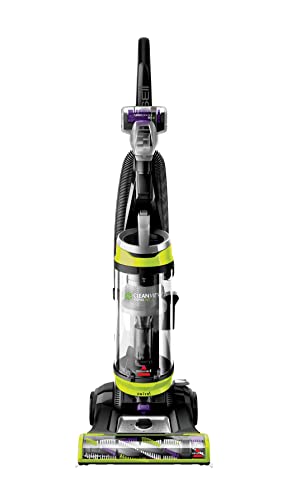
 Shark Navigator Lift-Away Vacuum
- Clean carpets and hardwood floors with strong multi-surface…
- Detach the pod to clean stairs, furniture, and…
- Powerful suction and a specialized upholstery tool removes…

As an Amazon Associate we earn from qualifying purchases at no extra cost to you.
At a Glance: Pet-Hair Vacuums Compared
| Type and example | Best for | Key stated feature | Limit |
|---|---|---|---|
| Corded upright: Shark Navigator Lift-Away family | Whole-house cleaning, carpets and rugs | The maker describes a lift-away canister, swivel steering and a pet-hair tool | Corded; heavier to carry upstairs |
| Corded upright with anti-hair-wrap: Shark Rocket Pet family | Long-haired pets, tangled brush rolls | The maker describes brush-roll designs that reduce hair wrap | Check which model has the self-cleaning roll |
| Cordless stick: Dyson V-series | Quick daily cleaning, stairs, cars | The maker lists strong suction, multiple modes and a detachable handheld form | Premium tier; runtime depends on mode; small bin |
| Cordless stick: Shark Vertex or Stratos | Mid-range cordless users | The maker lists anti-hair-wrap brush technology and flexible wand | Battery runtime varies with mode |
| Canister: Miele Complete C3 Cat and Dog | Mixed floors, allergy-conscious owners | The maker lists a sealed filtration system and a bag-based design | Premium tier; bags are a running cost; bulkier to store |
| Upright: Dyson Ball Animal family | Heavy shedders, large homes | The maker lists a dedicated pet tool kit and strong suction | Premium tier; heavy |
| Robot: Roomba or Roborock families | Daily upkeep, hard floors and low rugs | The makers list scheduled cleaning, app control and, on some models, self-emptying docks | Misses stairs, corners and furniture tops; cannot replace a manual vacuum |
| Handheld: Bissell Pet Hair Eraser | Upholstery, car seats, stairs | The maker describes a compact tool designed for pet hair | Small capacity; not for whole-floor cleaning |
What Matters for Pet Hair
Brush roll design
Long hair wraps around standard brush rolls and slows cleaning. Several makers advertise anti-tangle or self-cleaning brush designs. Reviewers often name these designs as the most valuable feature for people with long-haired dogs or cats. Still, no design is wrap-proof, so you may still need to cut off tangles occasionally.
Suction and floor type
Carpets and rugs hold hair deeper, so a motorized brush roll with strong airflow helps. On hard floors, too strong a brush can scatter hair, so look for a switch to turn the brush off or a soft roller. Many cordless sticks offer a soft-roller head for hard floors.
Filtration and allergies
HEPA or sealed filtration systems are commonly recommended for allergy households. Makers describe different filtration levels, and a buyer should look for the phrase “sealed system” in the specs rather than just “HEPA filter.” People with allergies or asthma should ask their doctor about cleaning routines and may prefer to have someone else vacuum.
Bin size and emptying
Pet hair is bulky. A small bin fills fast, which matters for stick vacuums. Look for a one-touch bin release and a wide opening that makes emptying tidy.
Attachments
Upholstery tools with a rubbery or bristled edge, crevice tools and a mini motorized pet tool help on sofas and stairs. Check which attachments come in the box, since some pet-branded versions include more tools than the base model.
Corded Uprights: Value for Whole-House Cleaning
Corded uprights remain the budget-to-mid-range choice for heavy shedding, since they have no battery limit. Shark’s Navigator Lift-Away line is long-running and widely sold; the maker describes a canister that detaches for stairs and furniture. Some Shark Rocket models are sold with a pet tool. Dyson’s Ball Animal family sits at a premium tier and is positioned for heavy pet hair. The trade-offs are weight and cord management.
Cordless Sticks: Convenience First
Cordless sticks are the favorites for daily upkeep. Dyson’s V-series is the best-known family and the maker lists multiple suction modes and a detachable handheld. Shark’s Vertex and Stratos lines target the mid-range tier. Battery runtime is usually quoted for the lowest power mode, so expect shorter runs on max mode, and consider a second battery if the home is large. Cordless models are less ideal as a single vacuum for a very large, high-shedding household.
Canister: Floors and Filtration
Miele’s Complete C3 Cat and Dog is marketed for pet owners with mixed flooring. Canisters keep weight off the arm, and bagged models seal in dust, which many allergy-conscious buyers like. Disadvantages are storage size and ongoing bag purchases.
Robot Vacuums: Maintenance Not Replacement
Robot vacuums from iRobot and Roborock can run daily and keep hair from building up. Self-emptying docks reduce chores. Hair can still tangle in rollers, and robots may avoid thick rugs, cables and pet accidents. If you have a pet that sometimes has accidents, keep the robot away from those areas; some makers advertise obstacle avoidance for pet waste, which a buyer should confirm in the current specs and use with caution.
Care Tips
- Cut tangled hair from the brush roll every few weeks with scissors, and check bearings for hair.
- Wash or replace filters according to the manual.
- Empty the bin before it is full to preserve suction.
- Brush your pet outdoors or regularly to cut down on loose hair at the source.
Pick X If: Decision Table
| Pick this | If you… |
|---|---|
| Corded upright (Shark Navigator or Rocket type) | have carpets, a big home and want strong value |
| Premium cordless stick (Dyson V-series) | want fast, daily cleaning and are willing to spend more |
| Mid-range cordless (Shark Vertex or Stratos type) | want cordless convenience at a lower tier |
| Canister (Miele C3 Cat and Dog type) | have mostly hard floors with some rugs and care about filtration |
| Robot vacuum | want daily upkeep on floors and low rugs |
| Handheld pet vacuum | mostly need sofa, stair and car cleaning |
Budget Tiers
- Budget: basic corded uprights, handhelds, entry-level robot vacuums.
- Mid-range: Shark cordless sticks and corded uprights with anti-wrap brush rolls, mid-range robots.
- Premium: Dyson sticks and uprights, Miele canisters, self-emptying robots.
Alternatives to Consider
- Rubber squeegee or pet hair broom: gathers hair on carpet before vacuuming.
- Wet-dry vacuum such as Bissell CrossWave Pet: useful for hard floors with tracked-in mess.
- Lint rollers and reusable fabric brushes: for clothes and upholstery.
Matching a Vacuum to Your Pet and Home
Coat type changes what you need. Double-coated breeds such as huskies and Labradors shed in seasonal bursts, which suits a high-capacity corded upright or a stick with a spare battery. Long-haired cats and dogs produce tangling hair that favors anti-wrap brush rolls. Short-haired pets leave stiff, needle-like hairs that cling to fabric, which makes a strong upholstery tool or a rubber-edged attachment valuable.
Flooring matters as well. Homes with mostly hard floors and a few rugs are well suited to a robot plus a stick for touch-ups. Thick wall-to-wall carpet is better served by a corded upright with adjustable brush height. Stairs favor a light stick or a lift-away upright. Think about storage too: a stick on a wall dock is always ready, which makes daily cleaning more likely.
Weight and ergonomics are worth checking, since pet owners vacuum often. Look at the maker’s stated weight, the handle design, and whether the bin can be emptied without touching the hair. If anyone in the home has limited strength or mobility, a lighter model or a robot may be a better fit. Warranty length and the availability of replacement filters, brush rolls and batteries should also factor into your decision, as pet-hair vacuums wear parts faster than average.
Finally, remember that model names change often. Makers refresh their lines every year or two, and older generations remain on sale for a while. Choose the family that fits your needs and then pick the current or recent generation, comparing the maker’s stated runtime, bin size and brush design rather than relying on the name alone.
Frequently Asked Questions
Which vacuum is best for long pet hair?
Look for a model the maker describes as having an anti-tangle or self-cleaning brush roll. Shark and Dyson both offer such designs. Expect to cut hair off the roll occasionally anyway.
Is a cordless vacuum strong enough for pet hair?
For daily cleaning, yes, in many cases. For deep carpets and large homes, a corded upright usually offers more consistent power without battery limits.
Do I need HEPA for pet allergies?
A sealed system with HEPA-grade filtration helps keep fine particles inside the machine, though no vacuum eliminates allergens. People with allergies should speak with their doctor.
Can robot vacuums replace a regular vacuum?
Not fully. They help with maintenance but miss stairs, corners and upholstery, and they struggle with thick rugs.
How often should I clean the brush roll?
Check it every couple of weeks if you have heavy shedding, and clear any wrapped hair. Always unplug or power down first.
Are bagged or bagless vacuums better for pets?
Bagged models tend to seal dust better, while bagless models save on bag costs but release more dust when emptied. Choose based on allergy needs and tolerance for ongoing costs.