Key takeaways
- Light: choose a unit sized to the tank and the plants or corals you plan to keep. Overlighting small tanks leads to algae.
- Filter: a small sponge or internal filter is often enough in a freshwater nano; saltwater nanos need more flow.
- Heater: a small adjustable heater with a thermostat suits tropical species. Follow the manual and keep heaters submerged as directed.
- Lid: a lid or cover helps limit evaporation and keeps jumpers in.
For a beginner freshwater nano, the Fluval Spec V is the most frequently named all-in-one pick; for saltwater beginners the Fluval Evo (or Sea Evo) is the usual entry point; for a planted showpiece the UNS (Ultum Nature Systems) rimless tanks lead; and for advanced reef keepers the Waterbox Nano cubes are the common step up. Budget buyers often start with a small kit such as the NICREW 2.5 gallon. Nano tanks look easy but are less forgiving than larger ones, so choose the species first and the tank second.
Our top picks


As an Amazon Associate we earn from qualifying purchases at no extra cost to you.
Nano Aquariums at a Glance
| Model | Best for | Key stated features | Limits |
|---|---|---|---|
| Fluval Spec V (5 gallon) | Freshwater beginners, small planted tanks | Integrated filter chambers, LED lighting, widely available media | Small water volume; limited stocking |
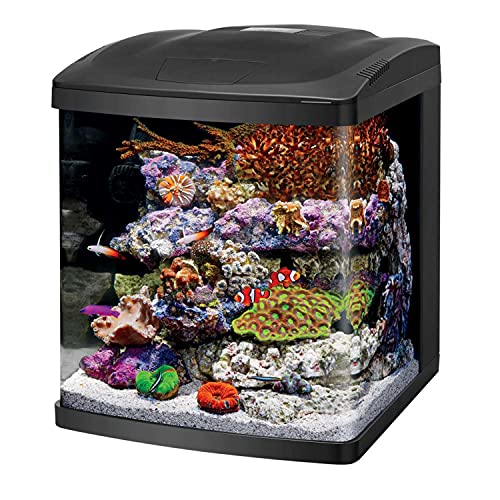
| Fluval Evo XII (13.5 gallon) | First saltwater nano reef | LED light in the lid, built-in filtration, return pump | Reviewers report common upgrades for lights and flow |
| Fluval Sea Evo V (5 gallon) | Compact saltwater display | Smaller saltwater kit with built-in equipment | Very small volume is demanding for reef chemistry |
| Waterbox Nano (4 to 20 gallon) | Advanced reef keepers | Cube design with 5 to 6 mm glass and plumbing for a sump | Higher cost and more equipment to buy |
| UNS rimless tanks (5N, 5S, 60U) | Aquascapers wanting clear glass | Low-iron, rimless glass with neat silicone work | No equipment included; premium tier |
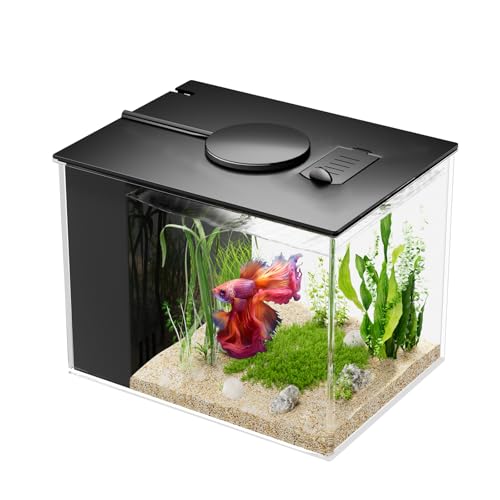
| NICREW 2.5 gallon | Tight budgets, shrimp or a tiny setup | Compact tank with basic lighting | Basic features; small volume |
Understanding Nano Tanks
Why small tanks are tricky
The smaller the water volume, the faster temperature, salinity and waste levels change. A nano tank suits careful keepers who test water regularly and make small, steady changes. A freshwater tank of 5 gallons or less supports a modest number of small animals such as shrimp or a single suitable fish; check each species’ space and water-quality needs with a reputable source before buying. Saltwater nanos are possible but are generally advised by hobbyists for those with some experience or a good local mentor.
All-in-one versus build-your-own
All-in-one tanks (Fluval Spec, Evo, Marineland Portrait style) hide the filter and light inside the tank or lid, which keeps the footprint tidy and the set-up simple. Rimless open tanks (UNS, Waterbox) offer clear glass and flexibility, but you buy a filter, light, heater and lid separately. The first approach is faster to start. The second gives more control and a cleaner look.
Model Notes
Fluval Spec V
Multiple roundups name the Spec V their best overall nano. The filter chambers hold standard media, and reviewers note the oversized foam block needs rinsing only every few weeks. It is a good match for a small planted freshwater tank and for shrimp. Open-top lighting is limited, so keep plants undemanding.
Fluval Evo and Sea Evo
Reviewers call the Evo XII a community favorite for first-time saltwater nano setups. It integrates a light in the lid, chambers for filtration and a return pump strong enough for low-light corals and hardy small fish. Many owners add upgrades, and the smaller Sea Evo V offers the same idea in a smaller footprint. For corals, follow the maker’s lighting and flow guidance and consult an experienced local reef store.
Waterbox Nano
Waterbox cubes come in several sizes from 4 to 20 gallons and use thick glass with a plumbing-ready design. One reviewer says the brand has overtaken Red Sea for reef nano buyers who want a sump. Others note that if you want to avoid drilling and sump building, the Fluval Evo or a JBJ flat panel is a gentler entry. Expect to buy a light, return pump, heater and skimmer separately.
UNS
UNS tanks are praised for clear low-iron glass and neat silicone joints. Outlets call the 5N and 60U strong picks for planted tanks and the shallow 5S a popular scaping choice. Because the tanks come empty, budget for lighting and a small filter, as well as substrate and plants.
NICREW 2.5 gallon
Described as hard to beat on budget. It is a reasonable way to try a small shrimp tank, though features are basic. Avoid stocking it with fish that need more space.
Lighting, Filtration and Heating
- Light: choose a unit sized to the tank and the plants or corals you plan to keep. Overlighting small tanks leads to algae.
- Filter: a small sponge or internal filter is often enough in a freshwater nano; saltwater nanos need more flow.
- Heater: a small adjustable heater with a thermostat suits tropical species. Follow the manual and keep heaters submerged as directed.
- Lid: a lid or cover helps limit evaporation and keeps jumpers in.
Pick X If …
| Pick this | If |
|---|---|
| Fluval Spec V | You want a tidy freshwater planted nano with minimal gear |
| Fluval Evo XII or Sea Evo | You are starting a saltwater nano reef without a sump |
| Waterbox Nano | You have reef experience and want a sump and clear glass |
| UNS rimless | You want a gallery-style planted aquascape |
| NICREW 2.5 gallon | You are experimenting with shrimp on a small budget |
Budget Tiers
Budget: compact kits with simple lights and filters. Mid-range: Fluval Spec and Evo all-in-ones. Premium: Waterbox and UNS tanks plus the equipment they need.
Care and Safety Notes
- Place the tank on a stable, level surface rated for the filled weight, away from sun and drafts.
- Use drip loops on cords and a GFCI-protected outlet, and ask an electrician if your outlets are not suitable.
- Cycle the tank before adding livestock and test water at regular intervals.
- Small tanks need frequent partial water changes; follow the maker’s and a trusted hobbyist’s guidance.
- Research the adult size and needs of every animal before buying.
Alternatives
- 10 to 20 gallon kits: more stable and often a better first tank than a nano.
- Planted jars or bowls: low-tech options for plants and snails.
- Brackish or paludarium setups: specialty builds for experienced hobbyists.
Choosing Livestock for a Nano
Freshwater options
Dwarf shrimp, snails and a few small fish are frequent choices. Shrimp are sensitive to copper and sudden changes in water chemistry, so use a conditioner and keep parameters stable. A betta needs a heated, filtered tank with gentle flow and enough room; many keepers suggest at least 5 gallons. Avoid placing fast-growing or active fish in tanks too small for them, and check each species’ adult size before buying.
Saltwater options
Small reef tanks suit hardy soft corals, a few small fish or invertebrates. The tank must be stable in salinity and temperature, so use a reliable heater and top-off routine. Beginners should ask experienced reefers and local stores for stocking guidance and avoid delicate species at the start.
Setting Up a Nano Properly
- Cycle the tank with patience and test ammonia, nitrite and nitrate.
- Keep decor simple and arrange hiding spots so animals can retreat.
- Use a thermometer you can read at a glance and check it daily.
- Top off evaporated water with fresh water, not salt water in a reef.
- Make small water changes often instead of large changes seldom.
Space, Weight and Placement
Nano tanks are light compared with big aquariums, but a 20 gallon cube still weighs well over 200 pounds filled. Use a stand or counter rated for the load and place it on a level surface. Keep the tank away from windows and heating vents, and leave room above for lid access and for light mounting. Allow clearance around the back for cords and filter plumbing.
Common Upgrades
Owners often add a stronger light for corals or plants, a small wavemaker for flow, a heater with a controller, and a lid or mesh to stop jumpers. On open rimless tanks, a glass lid or a light with a mounting arm is almost a must. Evaluate each upgrade against the maker’s manual, since electrical add-ons need appropriate outlets and drip loops.
Frequently Asked Questions
What size counts as a nano aquarium?
Definitions vary, but many hobbyists use up to about 20 gallons, with 5 to 10 gallon tanks as typical examples. Choose the size by the animals you intend to keep.
Are nano tanks good for beginners?
They can be, but they require steady attention because conditions change quickly. Many experienced keepers suggest 10 to 20 gallons as a more forgiving start.
Can I keep a saltwater nano at home?
Yes, with research and testing. All-in-one kits like the Fluval Evo make it easier, but reef chemistry still needs regular monitoring.
What fish suit a nano tank?
Small species such as certain shrimp, snails and nano fish can suit them, but a single betta needs a properly sized, heated and filtered tank. Confirm compatibility from a trusted source.
Do I need a heater?
Most tropical freshwater and all reef setups benefit from a controlled heater. Use a model sized for the tank and follow its manual.
How often should I clean a nano aquarium?
Plan on small, regular water changes and rinse filter media in used tank water. The maker’s manual and your livestock needs set the schedule.