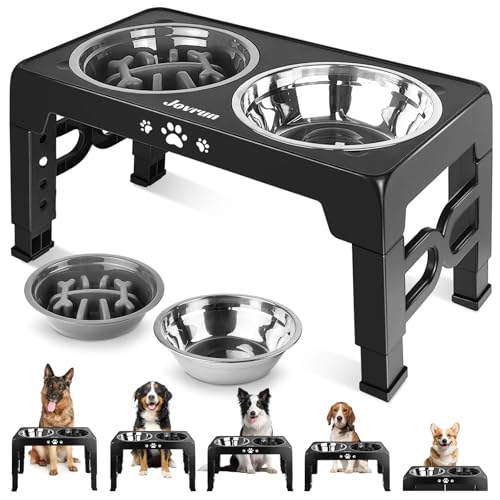
An elevated feeder with an adjustable-height stand and stainless steel bowls, such as the Neater Feeder line or a comparable raised stand from brands like Arf Pets, suits dogs with mobility or neck issues that a vet has flagged, while a plain floor bowl or a slow-feeder bowl is the better choice for many healthy dogs, and large or deep-chested breeds should not use a raised feeder without veterinary advice.
Our top picks
 XIAZ Elevated Dog Bowls Large Breed Raised
- Please check the size chart before oder, make…
- Effectively protects the spine and neck, avoiding appetite…
- Our raised dog bowls for large sized dog…


As an Amazon Associate we earn from qualifying purchases at no extra cost to you.
Elevated Dog Feeders at a Glance
| Option | Best for | Key features (as makers describe them) | Limits |
|---|---|---|---|
| Neater Feeder (Elevated, Deluxe and Extreme lines) | Messy drinkers, dogs with long ears, seniors | Stand with removable stainless steel bowls, spill-catching tray in some models, several heights and sizes | Premium tier; bigger footprint than a simple stand |
| Arf Pets and similar adjustable stands | Households with several dog sizes | Stand with height settings and stainless steel bowls | Build quality varies by model; check stability |
| Wooden or bamboo double-diner stands (Majestic Pet and others) | Homes wanting furniture-style appearance | Wood or bamboo frame with removable bowls | Wood can absorb moisture; needs more cleaning care |
| Single-bowl raised stands | Small dogs, one-dog households | Simple metal or plastic stand with one bowl | Less adjustable; one fixed height |
| Slow-feeder bowls (floor level) | Dogs that gulp food | Ridged or maze bowl that slows eating | Not elevated; some dogs get frustrated |
| Plain floor bowl with a non-slip mat | Most healthy dogs | Simple stainless steel bowl on a mat | No height assistance for dogs with mobility needs |
Should Your Dog Eat From a Raised Feeder?
This is the first question to settle, and the answer is not the same for every dog. Veterinarians have debated raised feeders for large and giant breeds because of bloat, formally called gastric dilatation-volvulus, a life-threatening emergency. A widely cited veterinary study reported that raised feeders were associated with a higher risk of bloat in large and giant breeds, while other researchers and clinicians note that the evidence is mixed and that many factors contribute, including breed, chest shape, age, eating speed and genetics. Because of that uncertainty, talk to your vet before using a raised feeder for a deep-chested breed such as a Great Dane, Standard Poodle, Weimaraner or Doberman.
Raised feeders may be recommended for some dogs, for example those with certain neck, back or joint problems, or conditions that make it hard to swallow while lowering the head. That is a decision for your veterinarian. If your dog vomits repeatedly, has a swollen or hard abdomen, retches without producing anything or appears restless and in pain, treat it as an emergency and contact a vet immediately.
What to Look For
Height
Many guidelines suggest placing the bowl at about the height of the dog’s lower chest, or a few inches below the shoulder. Too high forces the dog to stretch up, and too low defeats the purpose. Adjustable stands let you change the height as your puppy grows or as an older dog’s needs change. Measure from the floor to your dog’s lower chest while it stands, and compare with the maker’s height options.
Bowl material
Stainless steel is the usual recommendation because it is durable, does not hold odors and is easy to wash. Plastic bowls can scratch and harbor bacteria, and some dogs develop sensitivity to them. Ceramic is heavy and stable but can chip. Avoid bowls with cracked glaze or damaged surfaces.
Stability and anti-slip feet
A feeder that wobbles or slides can scare a dog. Look for rubber feet, a wide base and a design that does not tip when a large dog leans on it. Check the maker’s weight guidance for the stand and bowls.
Spill control
Dogs that slop water benefit from a tray, a lip or a mat. Neater Feeder designs include a surrounding tray in some versions, which the maker says helps contain spills. Trays also need regular cleaning, because stagnant water can grow bacteria.
Capacity
Match the bowl size to your dog’s meals. Oversized bowls waste space and encourage gulping, while undersized bowls spill. Makers list capacity in cups or quarts, so compare this with your dog’s daily ration.
Cleaning
Wash bowls daily with hot water and dish soap, and sanitize periodically according to the maker’s guidance. Dishwasher-safe stainless steel bowls are convenient. Wooden or bamboo stands should be wiped dry to prevent warping and mold.
Safety and Fit Notes
- Introduce a new feeder slowly. Some dogs hesitate when the bowl moves to a new height.
- Do not use a raised feeder as a cure for digestive problems. See your vet for vomiting, regurgitation or weight changes.
- Feed measured meals rather than leaving food out, and avoid heavy exercise right after meals, as veterinarians commonly advise for large breeds.
- Offer smaller meals more frequently to dogs prone to gulping, if your vet agrees.
- Keep cords, chewable plastic parts and small removable pieces away from puppies.
Picks by Budget Tier
Budget
Simple stainless steel stands with fixed heights suit small dogs. They are light and easy to clean but offer little adjustability, and cheaper ones can wobble.
Mid-range
Adjustable-height stands from brands such as Arf Pets and wooden double-diner stands from Majestic Pet cover most households. They balance adjustability, stability and style.
Premium
Neater Feeder models sit at the premium end, with larger sizes, tray designs and heavier-duty construction. They are popular with owners of senior and large dogs who have been advised to use a raised feeder.
Pick X If …
| Pick this | If you … |
|---|---|
| Neater Feeder | have a messy drinker or a senior dog and your vet approves a raised feeder |
| Adjustable stand (Arf Pets and similar) | have a growing dog or several dogs of different sizes |
| Wooden or bamboo diner | want furniture-style looks and will keep it dry |
| Single-bowl raised stand | have one small dog and limited space |
| Slow-feeder bowl on the floor | have a dog that eats too fast |
| Plain bowl with a non-slip mat | have a healthy dog with no mobility concerns |
Alternatives
- Slow-feeder bowls and puzzle feeders: Slow eating without raising the bowl.
- Floor bowls on a non-slip mat: The simplest option for most healthy dogs.
- Automatic feeders: Help with portion control and timed meals; they do not address height.
Common Buying Mistakes to Avoid
The biggest mistake is raising the bowl without asking whether the dog needs it. Many healthy dogs eat comfortably from the floor, and the bloat question makes it important to consult a vet for large and deep-chested breeds. A second mistake is setting the height by guesswork. Too tall a stand makes some dogs strain, while too low a stand gives no benefit. Measure your dog and adjust in small steps.
Another common issue is buying a stand that is too light. A big dog pushing a food bowl across the floor can tip a flimsy frame, spilling food and startling the dog. Look for a wide base and non-slip feet, and place the feeder on a mat if your floor is slick. Owners also forget to match bowl size to the dog. A small bowl in a large stand looks odd and may spill, and a huge bowl encourages overfilling.
Finally, do not overlook cleaning. Crevices where the bowl sits in the stand can collect food and water, and these spots need regular scrubbing. Choose a design with removable parts so you can wash everything thoroughly each day. If you notice your dog avoiding the feeder, go back to the floor bowl and talk to your vet.
Frequently Asked Questions
Are elevated dog feeders bad for large dogs?
Some research has linked raised feeders to a higher bloat risk in large and giant breeds, though findings are debated. Talk to your vet before using one for a deep-chested dog. If a vet advises a raised feeder for a medical reason, follow their guidance.
What height should a raised feeder be?
A common guide is about lower-chest height for your dog while standing. An adjustable stand lets you fine-tune the height and change it as your dog grows. Ask your vet for a recommendation for your dog.
Do raised feeders help older dogs?
They may make eating more comfortable for some dogs with neck or joint stiffness. Whether a raised feeder is suitable depends on the dog’s health and breed, so consult your vet.
What material is best for the bowls?
Stainless steel is usually preferred because it is durable and easy to sanitize. Plastic can scratch and hold bacteria, and ceramic can chip. Wash bowls daily regardless of material.
Can a raised feeder stop my dog from eating too fast?
Height alone does not slow eating. A slow-feeder bowl or a puzzle feeder is a better tool for dogs that gulp food. Persistent gulping or vomiting is a reason to see a vet.
How do I keep the feeder clean?
Remove the bowls each day, wash with hot soapy water and rinse well. Wipe the stand and any tray, and let everything dry fully. Follow the maker’s care instructions for wood or bamboo.