Key takeaways
- Read the label fully: It is the law as well as the instructions. Do not apply in ways the label does not allow.
- Protect yourself: Wear the clothing and gloves the label lists, and wash afterward.
- Choose calm weather: Avoid windy or rainy days. Wind causes drift and rain washes product away.
- Keep pets and children inside: Do not let them back until the label says the area is safe.
- Cover or remove items: Bring in toys, bowls and bedding. Avoid spraying vegetable gardens unless the product is labeled for it.
- Store properly: Keep products locked away in original containers, away from pets and children.
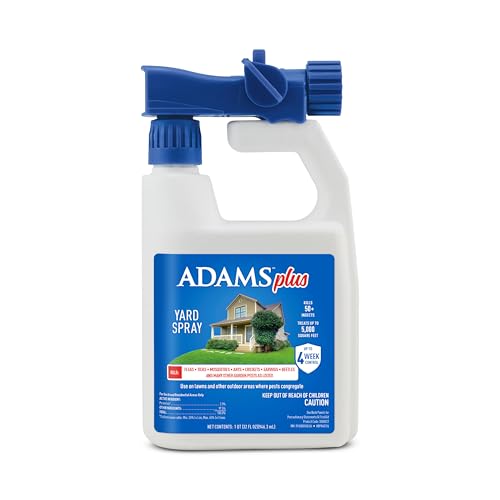
For most homeowners, a hose-end or ready-to-spray yard product from a mainstream brand such as Spectracide (Triazicide) suits a heavy infestation, a plant-oil product such as Wondercide suits owners who prefer a botanical approach, and a combination of yard cleanup, beneficial nematodes and tick tubes suits those who want to limit synthetic chemicals. Whichever you choose, the label is the rule: it tells you where to spray, how long to keep pets off, and what not to do.
Our top picks



As an Amazon Associate we earn from qualifying purchases at no extra cost to you.
Flea and Tick Yard Sprays at a Glance
| Product type / example | Best for | Key stated features | Limits |
|---|---|---|---|
| Synthetic insecticide concentrate (Spectracide Triazicide) | Larger yards, active infestations | The maker lists a hose-end or concentrate product for fleas, ticks and other lawn pests | Pets and people must stay off treated areas until the label says it is dry, not for use near water or edible plants unless labeled |
| Backyard bug control (Cutter and similar) | Quick treatment of patios, grass and edges | The maker positions it as a yard and perimeter spray | Coverage varies, repeat applications may be needed |
| Plant-oil based (Wondercide) | Owners who prefer cedar oil or botanical formulas | The maker describes an outdoor spray built on cedar oil and similar oils | May need more frequent application, results vary with weather |
| Beneficial nematodes | Gardeners who avoid synthetic chemicals | Microscopic organisms applied to soil that target flea larvae | Needs moist, shaded soil, does not address ticks well |
| Tick tubes (Damminix and similar) | Wooded or rodent-heavy yards | Cardboard tubes with treated cotton that mice take back to nests | Targets ticks via mice, slower and not a quick fix |
Understand the Problem First
Fleas and ticks live in different spots. Flea larvae prefer shaded, humid soil, under decks and in leaf litter, where pets rest. Ticks wait on tall grass, brush and leaf edges, often where yards meet woods. A spray works best when targeted at those zones instead of the entire lawn. Veterinarians and public-health agencies, including the CDC, advise using several layers of protection: treating pets with vet-recommended products, managing the yard, and checking pets and people after outdoor time.
A yard spray is only one tool. If your pet has fleas, the indoor environment and the pet itself also need treatment, since the majority of a flea population is in the eggs, larvae and pupae in the surroundings. Ask your veterinarian which flea and tick preventive suits your pet, and never use a yard product on an animal.
What to Look For
Active ingredient and target
Read the label to see which pests are listed. Products list the active ingredient, such as pyrethroids like bifenthrin or gamma-cyhalothrin, or plant oils like cedar oil. Pyrethroids are common in yard products, but they can be toxic to cats and fish and harmful to bees if misused. Always follow the label and avoid spraying flowering plants or water features.
Application method
Hose-end sprayers cover large areas quickly but can drift. Pump sprayers allow more control over edges and shade. Ready-to-spray bottles suit small yards. Match the method to the size of your yard and your comfort with mixing.
Coverage
Makers state coverage in square feet per container. Compare that figure to your yard size and decide whether you need a concentrate or a ready-to-use product. Measure only the areas you plan to treat, since you do not need to spray everything.
Re-entry time
The label states how long people and pets must stay out. This is often until the spray has dried completely, but not always. Follow the exact instructions, and keep the pets inside during application.
Residual effect
Some products claim to protect for weeks. Rain, heat and mowing can shorten that period. Reapplication intervals are on the label; do not exceed them.
Safety for pets, bees and water
Choose a product whose label states it is for residential lawns and does not warn against use where pets play after drying. If you have cats, fish ponds or beehives, talk to your vet or a local extension office before spraying. If a pet shows drooling, tremors, vomiting or weakness after exposure to any pesticide, contact your veterinarian or an animal poison hotline right away.
Budget Tiers
Budget
Basic ready-to-spray or hose-end products from mainstream brands cover medium yards at low cost. They are effective as stated but may need repeat applications through the season.
Mid-range
Plant-oil sprays and larger concentrates sit in the middle. They offer more coverage per bottle or a more botanical approach, and they suit regular maintenance for owners who want a gentler profile, though the label still applies.
Premium
Professional-grade products and services cost more and are typically applied by licensed pest control companies. They can be appropriate for large properties, heavy tick pressure or situations where you want a trained applicator. Ask about pet safety and re-entry times before hiring.
How to Apply Safely
- Read the label fully: It is the law as well as the instructions. Do not apply in ways the label does not allow.
- Protect yourself: Wear the clothing and gloves the label lists, and wash afterward.
- Choose calm weather: Avoid windy or rainy days. Wind causes drift and rain washes product away.
- Keep pets and children inside: Do not let them back until the label says the area is safe.
- Cover or remove items: Bring in toys, bowls and bedding. Avoid spraying vegetable gardens unless the product is labeled for it.
- Store properly: Keep products locked away in original containers, away from pets and children.
Non-Chemical Steps That Help
Yard cleanup reduces the places fleas and ticks thrive. Mow regularly, rake leaves, trim brush, and clear tall grass along fences and woods. Create a dry barrier of wood chips or gravel between lawn and wooded areas, which some public-health sources suggest can limit tick movement. Keep pet bedding areas washed and dry, and discourage wildlife such as deer and rodents from entering your yard where practical.
Pick X If… Decision Table
| Pick this | If you |
|---|---|
| Spectracide Triazicide or similar synthetic | Have an active infestation across a larger lawn and can follow strict re-entry rules |
| Cutter Backyard Bug Control | Want a simple spray for patios and edges |
| Wondercide or plant-oil spray | Prefer a botanical product and accept more frequent applications |
| Beneficial nematodes | Want a biological approach for flea larvae in soil |
| Licensed pest professional | Have a large or wooded property or heavy tick pressure |
Alternatives
- Vet-prescribed or vet-recommended preventives: The most reliable protection for the pet itself. Discuss options with your veterinarian.
- Diatomaceous earth outdoors: Sometimes used by gardeners, though results vary, dust can irritate lungs and eyes, and food-grade labeling matters. Use the product as directed and avoid breathing the dust.
- Landscape changes: Gravel borders, sunlight, dry mulch and fencing to keep wildlife out can reduce habitat.
Before You Buy: A Short Checklist
Walk your yard and mark the shaded, damp and brushy areas where pests gather, then estimate their size in square feet. Check the label for the pests listed, the re-entry time, rain-fast information and any warnings about cats, fish, bees or edible plants. Ask your veterinarian about the best preventive for each pet in the household, and keep up the treatment through the season. Talk to a local cooperative extension office, which can describe the flea and tick species in your area and the conditions that favor them. Store leftover product in its original container, and follow local rules for disposal. If your yard borders woods, consider a licensed professional who can advise on perimeter treatment.
Frequently Asked Questions
How long should pets stay off a sprayed yard?
Follow the label. Many products say to keep pets off until the spray has dried completely, but requirements differ between products. If the label is unclear, contact the manufacturer or your veterinarian.
Are natural yard sprays safer than synthetic ones?
Not automatically. Plant-oil products can still irritate pets and harm beneficial insects, and they may need more frequent use. Read the label and check with your vet, especially if you have cats.
Where should I spray for fleas and ticks?
Target shaded, humid areas, under decks, around pet resting spots, along fences and where lawn meets woods. You rarely need to treat open, sunny lawn. Focus on high-risk areas to reduce product use.
Will a yard spray replace flea and tick medicine for my pet?
No. Yard sprays reduce pests in the environment but do not protect your pet directly. Talk to your veterinarian about a preventive suited to your pet’s species, age and health.
Is yard spray safe for cats?
Some pyrethroid-based products are dangerous to cats, especially before drying. Read the label, keep cats indoors during application and until dry, and call your vet if a cat shows symptoms such as drooling, tremors or vomiting.
How often should I reapply?
Use the interval stated on the label and do not exceed it. Rain, heat and mowing can reduce effectiveness, but more frequent applications can be unsafe. If pests persist, consult a licensed pest professional.