Key takeaways
- Know where the quick is. Grinding too far can hurt the dog and make it fear the tool permanently. If you are not sure, ask your vet or a groomer to show you.
- Keep fur and loose skin clear of the rotating bit.
- Take breaks, and stop if the dog shows stress signals such as lip licking, yawning, trembling, whale eye or pulling away.
- Have styptic powder on hand in case of bleeding, and ask your vet what to do if bleeding does not stop.
- Follow the maker’s instructions for charging, cleaning and bit replacement.
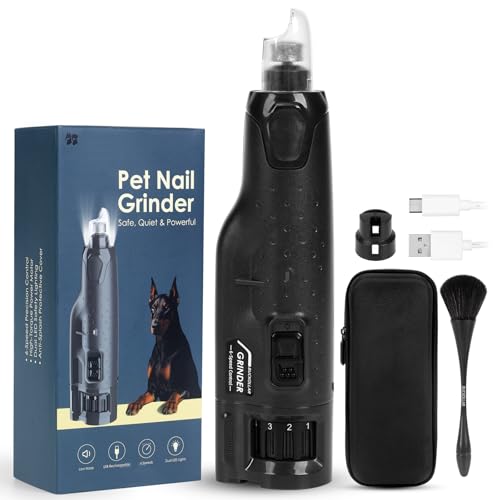
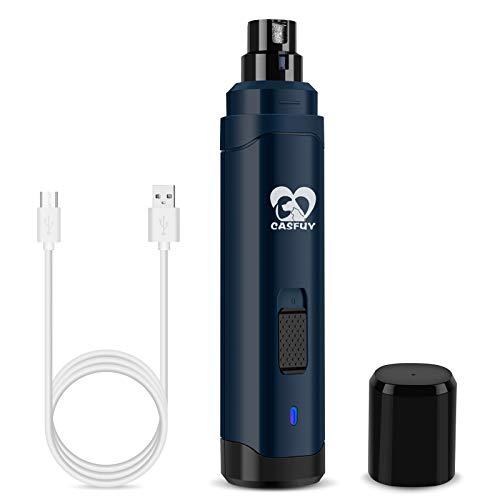
For anxious dogs, the best nail grinder is a quiet, low-vibration, cordless model with adjustable speed and a guard, such as the Dremel PawControl, the Casfuy style of rechargeable grinders, or a similar quiet pet-specific tool. The grinder matters less than the introduction routine: most nervous dogs need weeks of gradual, treat-based desensitization before any grinding happens.
This guide compares the kinds of grinders sold today, what to look for when your dog is afraid of noise or touch, and how to introduce one safely. Specifications below reflect what makers typically list, and models change often, so confirm current details on the maker’s page before you buy.
Our top picks


As an Amazon Associate we earn from qualifying purchases at no extra cost to you.
At a Glance: Grinder Types for Nervous Dogs
| Type | Best for | Typical stated features | Limits |
|---|---|---|---|
| Dremel PawControl style (cordless, pet-specific) | Owners who want a well-known brand with a guard | Rechargeable, adjustable speeds, guard to limit exposure | Mid-range tier; motor noise still present at higher speeds |
| Casfuy and similar rechargeable pet grinders | Budget-minded owners of small to medium dogs | Multiple speeds, LED light on some, USB charging, claim of low noise | Build quality and battery life vary between sellers |
| Wahl or Oster pet grinders | Owners who already use these brands for clippers | Pet-specific designs, cordless options | Check model details; product lines change |
| Corded rotary tools | Experienced groomers and thick nails | Strong motor, variable speed | Cord limits movement; louder and heavier; not ideal for nervous dogs |
| Manual nail files or emery boards | Very noise-sensitive dogs | Silent, no motor | Slow, tiring, only practical for small amounts of trimming |
What Makes a Grinder Suitable for an Anxious Dog
Noise level
Noise is usually the first trigger. Reviewers describe the motor sound of many grinders as a high-pitched whine that some dogs find upsetting. Makers often advertise low-noise operation, but decibel figures are rarely independently confirmed, so treat those claims cautiously. If your dog startles at household appliances, start with a very short exposure at the lowest speed, and consider a quiet manual file as a fallback.
Vibration
Vibration through the paw can be just as unsettling. Lighter tools with smooth motors tend to transmit less. Look for a tool that feels balanced in your hand and does not rattle at low speed.
Adjustable speed
Lower speeds produce less heat and less noise, and give you more control. A grinder with several speed settings lets you begin gently and increase only if the dog is comfortable.
Guard design
A guard limits how much nail and fur can reach the grinding bit and helps prevent catching long hair. Pet-specific designs, such as the Dremel PawControl, include a guard and a view into the grinding area. Keep long fur away from the head of the tool.
Heat
Grinding generates friction heat. Short passes, a light touch and frequent pauses reduce the risk of the nail becoming hot and uncomfortable. If a nail feels warm, stop and let it cool.
Cordless versus corded
Cordless tools let you sit on the floor beside your dog and move freely. Corded tools are often stronger but limit positioning, and the cord can spook some dogs. For anxious dogs, cordless is typically easier to manage.
Size and grip
A compact, ergonomic grip gives better control with small paws. Check the weight and length listed by the maker, and make sure you can hold the tool steady with one hand while supporting the paw with the other.
How to Introduce a Grinder to a Nervous Dog
- Let the dog see and sniff the tool while it is off. Reward calm behavior with a high-value treat.
- Turn it on at a distance. Reward the dog for staying relaxed, then gradually bring it closer over several sessions.
- Touch the vibrating tool to the paw or fur briefly, not the nail. Praise and treat immediately.
- Grind one nail for a few seconds. Stop on a positive note, even if only one nail is done.
- Work over days or weeks. Rushing creates fear that is harder to undo.
If your dog shows intense fear, aggression or panic, stop and seek help from a trainer, a veterinary behaviorist, or your vet. Sedation or professional handling may be appropriate for some dogs; that is a decision for a vet, not a purchase decision.
Budget Tiers
| Tier | What you typically get | Trade-offs |
|---|---|---|
| Budget | Generic rechargeable grinders, manual files | Variable build quality, battery life and noise claims; limited warranty |
| Mid-range | Name-brand pet grinders with guards and multiple speeds | Still audible; more reliable and easier to replace bits |
| Premium | Professional-grade or high-power rotary tools | Usually louder and heavier; not necessarily better for nervous dogs |
Pick X If… Decision Table
| If your situation is… | Pick |
|---|---|
| Dog afraid of loud tools | Quiet cordless grinder at lowest speed, or a manual file |
| Small dog with fine paws | Compact grinder with a guard and multiple speeds |
| Dog with thick, hard nails | Stronger mid-range grinder; sessions short to avoid heat |
| Dog with dark nails where the quick is hard to see | Grinder with an LED light, or have a groomer or vet do it |
| Budget-limited | Basic rechargeable grinder, plus patience |
| Dog that panics even at the sight of the tool | Ask your vet or a trainer for a desensitization plan |
Safety Notes
- Know where the quick is. Grinding too far can hurt the dog and make it fear the tool permanently. If you are not sure, ask your vet or a groomer to show you.
- Keep fur and loose skin clear of the rotating bit.
- Take breaks, and stop if the dog shows stress signals such as lip licking, yawning, trembling, whale eye or pulling away.
- Have styptic powder on hand in case of bleeding, and ask your vet what to do if bleeding does not stop.
- Follow the maker’s instructions for charging, cleaning and bit replacement.
Alternatives
- Manual clippers: Quiet, but squeeze pressure can bother some dogs, and a mistimed cut can hit the quick.
- Scratch boards: Dogs file their own nails on sandpaper boards after training. Slow, but stress-free for some dogs.
- Vet or groomer: Often the best route for very fearful dogs, and a chance to ask for training tips.
Reading Your Dog’s Stress Signals
Anxious dogs usually give warnings before they bolt or snap. Common signs include lip licking, yawning, a stiff body, turning the head away, showing the whites of the eyes, panting while resting, and pulling the paw back. Treat these as a request to pause. Ending a session early is better than pushing through, because each frightening experience makes the next one harder. Consider a calm location, a non-slip mat, a helper who feeds treats, and sessions timed after exercise when the dog is more relaxed. Some owners work on handling the paws daily, even without a tool. If your dog has a history of biting during nail care, ask your vet or a certified trainer for a plan rather than attempting it alone.
Care and Maintenance of the Grinder
Replace sanding bands or grinding heads when they wear smooth, since a dull bit needs more pressure and creates more heat. Brush away nail dust after each session, keep the vents clear, and charge the battery fully before use so the motor does not change pitch mid-session, which can startle a nervous dog. Store the tool dry and out of reach of pets and children. Wash your hands after grinding, and consider a small mask if you are sensitive to dust.
Frequently Asked Questions
Is a grinder better than clippers for an anxious dog?
It depends on the dog. Some nervous dogs dislike the noise and vibration of grinders, while others dislike the squeeze and snap of clippers. A grinder gives smoother control and lower risk of cutting the quick, but only if the dog tolerates the sound. Try both gently and choose whichever causes less distress.
How long does it take to get a scared dog used to a grinder?
There is no fixed timeline. Many trainers suggest working in short, positive sessions over several days or weeks. Move at your dog’s pace and stop before the dog becomes fearful.
Are quiet grinders really quiet?
Makers often claim low noise, but figures are rarely independently confirmed. Reviewers describe most grinders as audible, with quieter models noticeably less harsh. Play any recorded sound at low volume first to gauge your dog’s reaction.
How often should I grind my dog’s nails?
Many owners trim every few weeks, depending on how quickly the nails grow and what surfaces the dog walks on. Little and often is easier than long sessions. If you hear nails clicking on hard floors, they are probably due.
What if my dog’s nails are black and I cannot see the quick?
Take off tiny amounts and watch the nail surface. If you are unsure, ask a groomer or vet to demonstrate. A grinder with a light can help, but it is no substitute for careful, gradual grinding.
When should I see a vet instead of grinding at home?
See your vet if a nail is cracked, bleeding, infected, overgrown into the paw pad, or if your dog shows severe fear or aggression. A vet can also advise on anxiety support if handling is a recurring problem.