For a stubborn, high-drive dog, a buried-wire system with adjustable stimulation levels and a long training period usually suits best, while a GPS collar fence suits owners with large or irregular properties and radio-based wireless kits suit renters with small, simple yards. No electronic boundary is a guarantee, and a determined dog that has learned to run through the warning can still leave. Treat any option below as one layer in a plan that also includes supervision, training and, where needed, a physical fence.
Our top picks

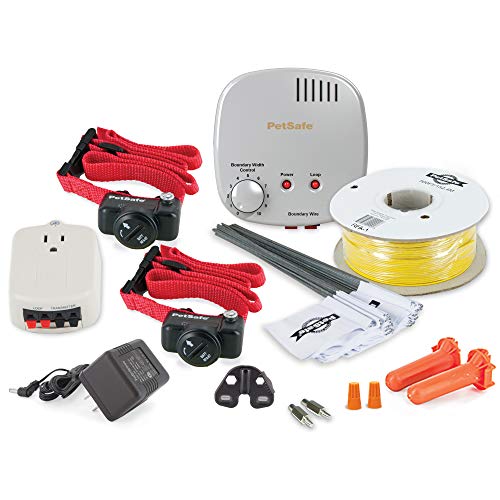

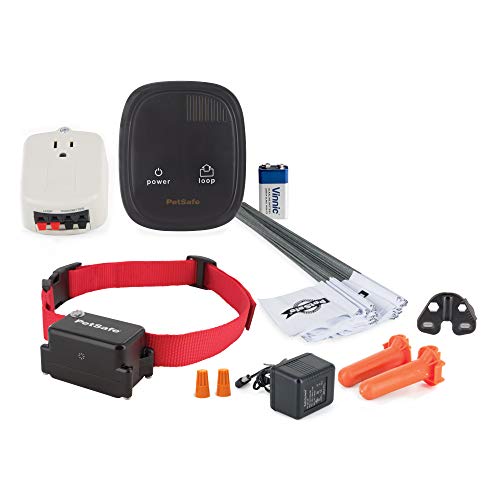
As an Amazon Associate we earn from qualifying purchases at no extra cost to you.
What “stubborn” really means for a boundary system
Owners often call a dog stubborn when the dog ignores a correction, pushes through a boundary to chase a squirrel, or learns quickly that the collar only works in certain spots. In many cases the issue is not stubbornness but motivation, timing and training. A dog that is intensely prey-driven may accept a brief unpleasant sensation for a chance to chase. A dog that was trained in a rush may never have connected the warning tone with the edge of the yard.
That matters when choosing hardware. For a persistent dog, look for several adjustable stimulation levels, a clear warning tone or vibration before any correction, a reliable signal that does not drift, and a receiver collar that fits snugly without causing sores. Equally important, plan for several weeks of structured flag-based training, which most makers describe in their manuals.
Safety and welfare notes before you buy
- Talk to a veterinarian or a qualified trainer first, especially if your dog is anxious, reactive, aggressive, elderly, very young, or has a heart, skin or neck condition.
- Electronic containment is generally not suited to dogs with aggression toward people or other animals, because the boundary does not stop outsiders from entering your yard.
- Check the collar fit daily and rotate its position on the neck as the manual advises, to reduce the risk of pressure sores.
- Follow the maker’s weight and age limits for each receiver. Some collars list a minimum dog weight.
- Use the lowest level that gets a response, and stop and seek professional help if your dog shows fear of the yard, hiding or loss of appetite.
- Local rules and homeowner association covenants may restrict or require specific types of fencing, so check them.
Four main system types
Buried-wire systems
A wire is laid in the ground around the perimeter and connected to a transmitter. The collar picks up the signal and issues a tone and then a correction as the dog approaches. Reviewers generally describe this type as the most consistent for strong-willed dogs because the boundary is a fixed line and the signal does not shift with weather or terrain. The trade-off is installation effort: you must bury or otherwise secure the wire, and later find and repair any break.
Radio-based wireless kits
A plug-in transmitter creates a circular zone around itself. Setup takes minutes and the kit can travel with you. Reviewers frequently note that the circular shape cannot follow a fence line or avoid a pool or road, and that the radius can fluctuate with interference or nearby metal. For a stubborn dog, an inconsistent boundary can undermine training, so these kits tend to be better for calm dogs in simple yards.
GPS collar fences
These use satellite positioning and an app to draw a boundary on a map, and they can work across larger or oddly shaped properties. Makers such as Halo describe features like multiple fence zones, warning cues and trainer-guided programs through an app. Trade-offs include a subscription for some services, battery management, and signal quality under heavy tree cover or close to tall buildings. Reviewers also note that a GPS boundary has a small tolerance, so the dog may cross a few feet before a cue triggers.
Hybrid or hard-wired plus physical fence
For escape artists, many trainers suggest pairing a physical fence with an electronic boundary at the base of it, or treating electronic fencing as a backup to a solid barrier. This is the most reliable for a dog that digs or jumps, though it costs more time and money.
At a glance: current options compared
| Product type / example | Best for | Key stated traits | Limits |
|---|---|---|---|
| SportDOG Brand In-Ground Fence systems | Strong-willed dogs on a yard you can wire | The maker lists multiple stimulation levels, tone and vibration options, and a wire-based boundary with multi-dog expansion | Requires wire installation and ongoing wire care; check collar weight guidance |
| PetSafe in-ground systems, including a model marketed for stubborn dogs | Owners who want a widely sold buried-wire option with adjustable levels | The maker lists tone and static correction levels and a waterproof receiver; the stubborn-dog model is marketed with higher level options | Wire installation; higher levels need careful, conservative use |
| Halo Collar series | Large, irregular or multi-location properties | The maker lists GPS-based fences, app control, multiple fence zones, tone, vibration and static options, and a rechargeable battery | Subscription for some features; tree cover and tall structures can affect GPS; app setup required |
| PetSafe Stay and Play and similar radio wireless kits | Small, simple yards, renters, travel | The maker lists a circular zone around the transmitter, adjustable radius and a rechargeable collar | Circular boundary only; less consistent for dogs that test limits |
| Extreme Dog Fence and other pro-style kits | Owners who want heavier-gauge wire and larger acreage | The maker markets it with a wide property coverage and long wire lengths | Installation effort; confirm collar fit for small dogs |
Budget tiers and what you give up
Budget: Radio-based wireless kits sit here. They are quick to set up and portable, but the boundary shape is limited and signal drift is a common reviewer complaint. They are the weakest match for a dog that tests boundaries every day.
Mid-range: Standard buried-wire kits from SportDOG and PetSafe fall here. You trade installation time for a consistent boundary and a wide range of stimulation levels. For stubborn dogs this tier is where most trainers’ advice, as reported by outlets, tends to point.
Premium: GPS collars like Halo and heavy-duty wire systems cost more up front and, for GPS, may carry ongoing fees. In return you get larger boundaries, app control and, in some cases, built-in training guidance. Premium does not equal escape-proof.
Fit, size and compatibility notes
Receiver collars have different sizes and weight ranges, so check the maker’s minimum dog weight and neck fit before buying. Small dogs often need a compact receiver, and large dogs with thick coats may need longer contact points so the probes reach the skin, which the manual describes. Wire systems can usually add collars for extra dogs, but each dog needs its own collar and training. GPS collars need a smartphone and, in some cases, a home Wi-Fi connection. Check whether the receiver is waterproof if your dog swims or you live in a wet climate.
Training matters more than hardware
Every maker describes a staged process. A typical plan starts with a few days of leash walks along flags with the collar off, then tone-only sessions, then low-level stimulation, and finally supervised off-leash practice with distractions. Rushing is the most common reason a stubborn dog learns to ignore the system. Keep sessions short, reward the dog for turning back, and never leave the dog unsupervised in the yard until the response is reliable. Professional trainers can speed this up and spot signs of stress.
Also plan for the dog’s motivation. Exercise, enrichment and a well-fed dog tend to have less urge to roam. Address the cause of the escape, such as boredom, an unneutered dog tracking a scent, or a neighbor’s dog at the fence line.
Pick X if …
| If you … | Pick | Why |
|---|---|---|
| Have a determined, strong-willed dog and a yard you can wire | SportDOG or PetSafe buried-wire system | A fixed, consistent boundary and adjustable levels support structured training |
| Have a large or oddly shaped property | Halo Collar | GPS zones can be drawn on a map without burying wire |
| Rent, move often or need something temporary | Radio wireless kit | Portable and fast to set up, with a simple circular zone |
| Own a digger or jumper | Physical fence plus an electronic backup | Electronic cues alone may not stop a very motivated dog |
| Have a small dog | A system listing a low minimum weight | Confirm receiver weight and fit with the manual |
Alternatives worth considering
- A traditional physical fence. Wood, vinyl or metal fencing keeps animals and people out as well as in, and does not rely on collar batteries.
- A tie-out or long-line with supervision. A secured long line lets a dog explore safely when you are present, without electronic correction.
- Positive-reinforcement recall and boundary training. A trainer can build reliable recall and yard boundaries using rewards, which some owners prefer for welfare reasons.
- Exercise pens or kennels. For short outdoor time, a freestanding pen provides containment in places where a fence is not allowed.
Frequently Asked Questions
Can a stubborn dog ignore an invisible fence?
Yes. A strongly motivated dog may run through the correction to chase prey or reach another animal. The risk is higher if training was brief or the stimulation level is too low to be noticed. Pairing the system with consistent training and, when needed, a physical barrier reduces the chance of escape.
Is a buried-wire or GPS fence better for a strong-willed dog?
Reviewers often favor buried-wire systems for consistency because the boundary does not move. GPS collars offer flexibility for large properties but can have a small positioning tolerance. Choose based on your property and how much installation you can manage.
How long does training take?
Makers typically describe a multi-week program, often around two to four weeks, but dogs vary. Some need longer, especially if they are highly distracted. Follow the manual and work at the dog’s pace rather than a fixed schedule.
Are these systems safe for my dog?
Used as directed, makers state their systems are designed for pet containment, but they are not suited to every dog. Dogs with health problems, anxiety or aggression should be assessed by a veterinarian or trainer first. Check the collar fit often and stop use if you see skin irritation or fearful behavior.
Can I use one system for more than one dog?
Most buried-wire and GPS systems support additional collars, but each dog must be trained on its own and fitted with an appropriate receiver. Check the maker’s listed number of supported collars and the weight range for each dog.
Do I still need to supervise my dog outside?
Yes. An invisible boundary does not keep other animals, strangers or wildlife out, and no system is infallible. Supervise your dog in the yard, especially in the early months and when new distractions appear.