Key takeaways
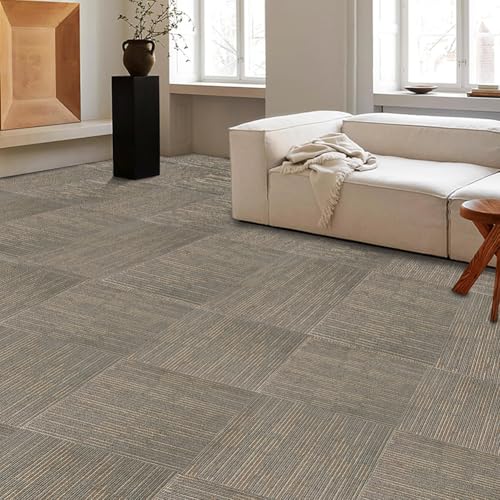
- Common modular tile sizes are around half a meter or about 18 to 24 inches square, depending on the line. Confirm the exact size on the packaging because patterns and cuts depend on it.
- Order extra, commonly about 5 to 10 percent, for edge cuts and later replacements. Keep spare tiles from the same dye lot.
- Mark a starting line from the center of the room and work outward so cut edges end up along the walls.
- Leave the expansion or perimeter guidance the maker specifies, and keep tiles away from floor drains, utility sinks, and the area around a water heater or washing machine.
- Remove baseboards or trim as needed, and make sure the slab is clean, dry, and free of paint or sealer residue the adhesive cannot grip.
For most basements, a moisture-tolerant polypropylene or nylon loop carpet tile from a commercial-grade line such as Interface or Shaw Contract suits buyers who want a durable, replaceable floor, while peel-and-stick residential squares from FLOR-style or Foss Floors-style lines suit renters and anyone who wants a quick, low-commitment room makeover. The right pick depends less on color than on how dry your slab is, how much foot and paw traffic it gets, and whether you want to glue anything down.
Our top picks


As an Amazon Associate we earn from qualifying purchases at no extra cost to you.
At a Glance: Carpet Tile Types for Basements
| Type | Best for | Key traits | Limits |
|---|---|---|---|
| Commercial modular tiles (Interface, Shaw Contract, Mohawk Group lines) | Finished family rooms, offices, gyms | Makers describe dense backings, many with moisture-resistant or recyclable backing systems; designed for heavy traffic | Higher cost tier; often installed with a releasable adhesive or tackifier |
| Residential peel-and-stick squares (Foss Floors, TrafficMaster-style) | Renters, play areas, quick updates | Self-adhesive backing, easy cutting, no special tools | Adhesive can fail on damp or uneven slabs; thinner pile |
| Interlocking or loose-lay modular tiles (FLOR-style) | Removable floors, dog zones, hobby rooms | Tiles connect with dots or corner tabs; individual squares can be swapped | Seams can show; needs a flat, clean slab |
| Rubber-backed or foam-backed gym tiles | Home gyms, workshop corners | Cushioning and impact absorption; wipe-clean surface | Not a plush living-room feel |
| Carpet tile over a raised subfloor panel (DRIcore-style dimpled panels) | Basements with minor dampness concerns | Air gap under the floor helps the slab breathe, according to the makers | Costs height and money; does not fix active leaks |
Start With the Slab, Not the Tile
Basement floors are concrete in contact with the ground, and concrete moves water vapor even when it looks dry. Flooring makers commonly ask installers to test moisture before covering a slab, and many warranties depend on it. Common field checks include taping a small sheet of plastic to the floor for a couple of days to see if condensation forms underneath, and professional calcium chloride or relative-humidity probe tests, which are the methods most manufacturers reference.
If you see standing water, efflorescence (white mineral powder), a musty smell, or repeated damp patches, treat that as a building problem first. A carpet tile cannot fix a leak, and covering a wet slab may encourage mold growth. A waterproofing contractor or a home inspector can help diagnose drainage, gutters, grading, and sump issues before you choose a floor.
What to Look for in a Basement Carpet Tile
Fiber and construction
Solution-dyed nylon and polypropylene (olefin) are the fibers most often discussed for damp-prone spaces because they do not absorb water the way natural fibers such as wool or cotton do. Loop-pile constructions in tight patterns tend to hide dirt and handle wheeled chairs and furniture. Cut-pile tiles feel softer under bare feet but show crushing and tracked-in dirt sooner, according to commercial flooring guidance.
Backing
The backing matters more than the surface in a basement. Look for a backing the maker describes as moisture-resistant, non-woven, or hydrophobic, such as vinyl-free or bitumen-free systems offered by commercial lines. Avoid any tile that requires a fiber or foam pad underneath unless the maker specifically approves it, because padding can trap moisture.
Installation method
Peel-and-stick tiles are the simplest, but adhesive performance on cool, slightly porous concrete varies. Many installers clean the slab and apply a primer or follow the maker’s temperature range. Releasable-adhesive and tackifier systems, favored in commercial installs, hold tiles in place while still allowing individual squares to be lifted and replaced. Interlocking tiles skip adhesive entirely.
Cleaning and stain resistance
Pet households and kids’ play areas benefit from tiles with stain-resistant treatments and a surface that tolerates spot-cleaning. Because squares are individually replaceable, a heavily soiled tile can be swapped rather than the whole floor, which is the main practical advantage of this format.
Indoor air quality
Some commercial lines publish third-party emissions certifications such as the Carpet and Rug Institute Green Label Plus program. Ventilation in a finished basement is often limited, so low-emission adhesives and tiles are worth looking for.
Product Directions Worth Comparing
Interface carpet tiles
Interface is a well-known commercial manufacturer with modular lines designed for offices, and several designs are sold through residential-friendly channels. The company has publicly emphasized recycled-content yarns and low-carbon manufacturing goals. Commercial-grade construction suits busy family rooms, though the cost tier is higher.
Shaw Contract and Mohawk Group tiles
Both are large commercial flooring makers with modular lines that include moisture-conscious backings and a range of patterns. Reviewers who cover commercial-style tiles for home use often mention that these hold up under rolling chairs and heavy furniture. Availability of specific collections changes, so confirm that a pattern is still produced when you order sample squares.
FLOR-style modular tiles
FLOR, originally an Interface brand, popularized the idea of home carpet squares that you can mix and match. Modular tiles in this style are designed to be connected with dots or tabs instead of full adhesive, which suits removable layouts. Check the maker’s guidance on use over concrete in below-grade spaces.
Foss Floors peel-and-stick
Foss Floors sells self-adhesive carpet tiles aimed at garages, basements, and recreation rooms. The maker markets them for DIY installation, and many are described as stain- and mildew-resistant. They fit buyers who want a fast, budget-tier update; expect a lower, denser pile than commercial lines.
Rubber and foam gym tiles
For workout corners or a play area, interlocking foam or rubber tiles are widely used and clean up with a mop. They are not carpet, but they solve the same cold-concrete problem in a section of the basement.
Fit, Size, and Layout Notes
- Common modular tile sizes are around half a meter or about 18 to 24 inches square, depending on the line. Confirm the exact size on the packaging because patterns and cuts depend on it.
- Order extra, commonly about 5 to 10 percent, for edge cuts and later replacements. Keep spare tiles from the same dye lot.
- Mark a starting line from the center of the room and work outward so cut edges end up along the walls.
- Leave the expansion or perimeter guidance the maker specifies, and keep tiles away from floor drains, utility sinks, and the area around a water heater or washing machine.
- Remove baseboards or trim as needed, and make sure the slab is clean, dry, and free of paint or sealer residue the adhesive cannot grip.
Pet and Family Considerations
Dog and cat owners often like carpet tiles because an accident usually affects only one or two squares. Blot liquids promptly, use cleaners the maker approves, and dry the area completely to avoid moisture reaching the backing. Frequent accidents on a slab-level floor can lead to odors that soak into adhesive and concrete, so a stain-blocking primer or a non-carpet zone near a pet door may be wiser. Loose-lay tiles also let you lift and wash the slab beneath if needed.
For puppies still house-training, many owners keep that stage on a hard, wipe-clean floor and add carpet tiles later.
Budget Tiers
- Budget: Residential peel-and-stick squares and foam gym tiles. Quick to install, thinner, and best for low-traffic or temporary spaces.
- Mid-range: Higher-quality residential modular tiles and heavier-duty self-adhesive lines with better pile density and stain treatments.
- Premium: Commercial lines from Interface, Shaw Contract, or Mohawk Group, plus a dimpled subfloor system if your slab runs damp. Longest service life and best replaceability.
Pick X If… Decision Table
| Pick this | If you… |
|---|---|
| Commercial modular tile (Interface, Shaw Contract, Mohawk Group) | want a durable family room or office floor and are willing to spend more |
| Foss Floors-style peel-and-stick | rent, are on a budget, or want a quick weekend project |
| FLOR-style interlocking squares | want a floor you can take apart, rearrange, or take with you |
| Rubber or foam tiles | are building a gym, play zone, or workshop corner |
| Dimpled subfloor panel plus tile | have a slab that tests mildly damp but no active leaks, and you have the ceiling height |
| No carpet; vinyl plank or sealed concrete | have recurring moisture, flooding history, or heavy pet accidents |
Alternatives to Carpet Tile
- Luxury vinyl plank or tile: Water-resistant by design and widely used below grade. A good choice for flood-prone basements.
- Sealed or painted concrete with area rugs: Lets you monitor the slab and move rugs for cleaning.
- Dimpled subfloor systems with engineered flooring: Adds warmth and an air gap, but follow each maker’s below-grade rules.
Care and Maintenance
Vacuum regularly with a beater bar suited to the pile type, clean spills quickly, and run a dehumidifier to keep basement humidity in a range the flooring maker recommends, commonly in the middle range of relative humidity. Rotating tiles is a trick used in commercial settings to even out wear. If you see mold or smell mustiness under a lifted tile, stop and have the moisture source investigated. Large areas of mold should be handled according to guidance from public health agencies or a remediation professional.
Frequently Asked Questions
Are carpet tiles a good idea in a basement?
They can be, if the slab is dry and stays dry. Their main advantage is that damaged or stained squares can be swapped without replacing the whole floor. If the basement floods or has active leaks, a water-resistant hard surface is usually the safer choice.
Do I need a pad under basement carpet tiles?
Generally not. Most modular tiles have an integrated backing, and an additional fiber or foam pad can trap moisture. Follow the maker’s installation sheet, and use a dimpled subfloor panel only if the maker approves it for use with the tile.
Will peel-and-stick tiles stay put on concrete?
Often they do on clean, dry, room-temperature slabs, but cold or slightly damp concrete can weaken adhesive. Cleaning thoroughly, following the temperature range printed by the maker, and using any recommended primer improves the odds. Releasable-adhesive or interlocking tiles avoid the issue.
How do I test if my basement slab is too damp?
A simple plastic-sheet test can hint at moisture, but professional moisture testing is what most flooring warranties reference. If you notice water stains, white powder, or a musty smell, speak with a waterproofing or inspection professional before installing any floor.
Are carpet tiles safe for homes with pets?
They are widely used in pet households because individual squares can be cleaned or replaced. Blot accidents promptly, use cleaners the maker approves, and avoid soaking the floor. Choose lower, denser loop styles that resist claws better than loose, high-pile cuts.
How long do basement carpet tiles last?
Lifespan depends on traffic, moisture control, and tile grade. Commercial lines are built for heavy use and are often covered by long limited warranties, while budget peel-and-stick tiles are generally treated as a shorter-term solution. Maker warranty terms differ, so read them before you buy.