Key takeaways
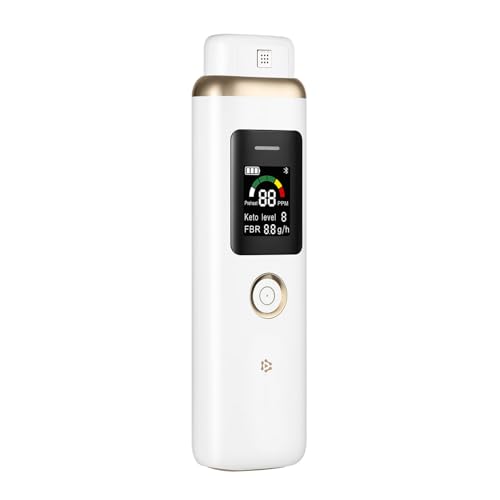
- Daily or near-daily fasting: A reusable breath analyzer such as the Ketonix is worth considering if you value a no-strip routine and accept that breath results are indirect and device-specific.
- Occasional fasting on a tight budget: Start with a basic blood ketone meter, such as a compatible Keto-Mojo meter, if you only plan to check now and then. Include the ongoing cost of strips and lancets in your budget.
- Need a more direct ketone measurement: Use a blood ketone meter that measures beta-hydroxybutyrate (BHB), rather than assuming a breath result is interchangeable with a blood result.
- Want an estimate without a handheld device: Phone-connected breath products such as Lumen focus on metabolic measurements and coaching; they should not be treated as equivalent to a dedicated ketone analyzer unless the manufacturer specifies that use.
Best Breath Ketone Analyzers for Fasting: Which Type Makes Sense?
The best breath ketone analyzer for fasting is a reusable acetone meter if you want frequent, low-cost trend tracking; choose a blood ketone meter when you need a more established measurement of blood beta-hydroxybutyrate. Breath readings are convenient, but they estimate a different ketone and can vary with timing, technique, and device calibration—so they are better for following patterns than verifying a precise ketone level.
Shortlist by fasting routine
- Daily or near-daily fasting: A reusable breath analyzer such as the Ketonix is worth considering if you value a no-strip routine and accept that breath results are indirect and device-specific.
- Occasional fasting on a tight budget: Start with a basic blood ketone meter, such as a compatible Keto-Mojo meter, if you only plan to check now and then. Include the ongoing cost of strips and lancets in your budget.
- Need a more direct ketone measurement: Use a blood ketone meter that measures beta-hydroxybutyrate (BHB), rather than assuming a breath result is interchangeable with a blood result.
- Want an estimate without a handheld device: Phone-connected breath products such as Lumen focus on metabolic measurements and coaching; they should not be treated as equivalent to a dedicated ketone analyzer unless the manufacturer specifies that use.
Breath versus blood: what the numbers mean
Breath analyzers estimate acetone in exhaled air. Acetone is associated with fat metabolism, but its level does not map one-to-one to blood BHB. Blood meters measure BHB directly, typically from a finger-prick sample. Results from the two methods can move differently, so a breath reading should not be converted into a blood ketone value or used as a substitute for a clinical test.
Our top picks

As an Amazon Associate we earn from qualifying purchases at no extra cost to you. Ratings are shown as listed on Amazon.
For fasting, consistency matters more than chasing a particular number. Measure at a similar point in your routine, follow the device’s breathing instructions, and note relevant context such as meal timing, exercise, and alcohol. A reading after a long fast is not directly comparable with one taken shortly after eating or exercising.
Comparison: ownership trade-offs
| Option | What it measures | Ongoing supplies | Calibration and tracking | Best fit |
|---|---|---|---|---|
| Ketonix breath analyzer | Breath acetone estimate | No test strips for routine readings; confirm replacement parts and warranty terms for the model sold | Follow the model’s startup, calibration, and breathing instructions; app or computer features vary by version | Frequent at-home trend checks |
| Keto-Mojo blood ketone meter | Blood BHB, with compatible ketone strips | Ketone strips and lancets; each test uses a strip | Use the correct strip and meter coding or setup instructions for the specific model; app support depends on model | Infrequent checks or people who prefer a direct blood measurement |
| Other compatible blood ketone meter | Blood BHB | Brand-specific strips and lancets | Check strip availability, expiration dates, and whether the meter needs coding | Comparing prices and supply availability locally |
There is no single reliable “cost per breath reading” across all breath meters: purchase price, sensor design, warranty, and replacement policy differ, and manufacturers may not publish a sensor lifespan. Treat any lifespan estimate as model-specific, not a universal promise.
Cost per reading: a practical calculation
Breath meters have a higher upfront cost but may have little or no per-test consumable cost while the sensor remains serviceable. Blood meters usually cost less to buy, but the strips make frequent testing more expensive. Compare the prices available to you rather than relying on a fixed figure, since strip prices and availability vary by region.
For example, if a pack of 10 blood ketone strips costs $15–$30, the strip cost alone is about $1.50–$3 per reading, before lancets. Testing once a week uses roughly 52 strips a year, or about $78–$156 at that illustrative range. Testing four times a week uses about 208 strips, or approximately $312–$624 a year. These are calculations from a general price range, not a quoted current price.
For a breath device, estimate total ownership cost as the purchase price plus any sensor replacement or service charges, divided by the number of readings you expect before replacement. If a device costs $150 and you use it 300 times before replacing it, that is $0.50 per reading before any replacement costs. The 300-reading figure is an example for calculation—not a claimed sensor lifespan.
Choose by frequency, experience, and priorities
| Your situation | Practical choice | Why |
|---|---|---|
| New to fasting; checking once or twice a month | Blood meter, or no device if the number will not change your decisions | Low test frequency makes strip costs easier to manage; avoid buying a higher-cost breath device before you know you will use it. |
| Fasting several days a week; wants convenient trend tracking | Reusable breath analyzer | No strip used for each reading, but accept indirect results and check sensor and support terms before purchase. |
| Needs a more direct measure of blood ketones | Blood BHB meter | Measures a different ketone than breath analyzers; use the device’s instructions and factor in strip costs. |
| Wants an app-based habit record | Choose by confirmed app compatibility, not marketing alone | Check that the exact model works with your phone, exports data if needed, and records the measurement type and units. |
What to check before buying a breath analyzer
Accuracy and repeatability
Look for clear information on what the device reports, how it was validated, and whether the maker publishes repeatability or comparison data. A breath analyzer’s displayed score may be proprietary. Use the same device and method over time; do not compare its score directly with another brand’s scale or with a blood meter.
Sensor life, calibration, and upkeep
Ask whether the sensor is replaceable, how replacement is obtained, and whether the maker specifies a service interval or warranty. Breath sensors can drift or become less responsive; a device that cannot be recalibrated or serviced may become a poor long-term value even if it avoids strips. Follow the manual’s warm-up and calibration requirements, and avoid breathing into the device immediately after food, drink, smoking, or mouthwash unless its instructions explicitly allow it.
Keep the mouthpiece clean and dry as directed, and do not share it without the maker’s hygiene guidance. Avoid storing the analyzer in a hot car or humid bathroom. These small habits help reduce contamination and protect electronics, but they do not restore a worn sensor.
App tracking and privacy
Before paying extra for connectivity, verify that the exact model supports your phone and operating system. Useful features include timestamped readings, notes for fasting duration, data export, and a way to see trends without implying medical diagnosis. Review what data the app collects and whether an account or subscription is required. A manually maintained spreadsheet can be enough if you mainly want to compare readings across similar fasting windows.
How to get more comparable readings
- Read the device manual and complete any initial setup or calibration.
- Pick a consistent measurement time—for example, before breaking the fast—and use that timing repeatedly.
- Follow the specified breathing technique and wait the recommended interval after eating, drinking, or exercise.
- Record the result alongside fasting duration and relevant context. Look for a pattern across several readings, not a single “good” number.
Bottom line
For frequent fasting and convenient, inexpensive repeat checks, a reusable breath acetone analyzer such as Ketonix can be a reasonable trend-tracking choice—provided you confirm sensor support, calibration requirements, and app compatibility for the exact model. For occasional checks or a more direct measurement of blood BHB, a blood meter may make more sense, but its strip cost adds up with frequent use. Neither device is a substitute for medical advice. If you have diabetes, take glucose-lowering medication, are pregnant, or feel unwell while fasting, discuss fasting and ketone monitoring with a qualified healthcare professional.