Key takeaways
- 1 whole turkey, 8 to 20 pounds, fully thawed
- ½ cup unsalted butter, softened, for under the skin
- ¼ cup unsalted butter, softened, for the legs and breast skin
- ¼ cup unsalted butter, softened, for the final exterior coating
- 2 tablespoons finely chopped fresh sage
- 2 tablespoons finely chopped fresh thyme
- 1 tablespoon finely chopped fresh rosemary
- 1 tablespoon finely chopped fresh parsley
- 2 teaspoons finely grated lemon zest
- 2 teaspoons kosher salt, plus more for the turkey
- 1 teaspoon black pepper
- 1 lemon, halved
- 1 small onion, quartered
- 2 celery stalks, cut into large pieces
- 2 carrots, cut into large pieces
- 1 cup water or unsalted stock for the roasting pan
Recipe for Herb Butter Turkey With Crispy Skin
For a 12- to 14-pound turkey, use 1 cup of softened herb butter: about ¾ cup under the breast and thigh skin and ¼ cup over the outside, then roast at 325°F until the breast reaches 160–165°F and the thigh reaches at least 165°F before resting for 30–45 minutes.
This ratio gives the meat flavor and moisture without leaving a thick layer of butter on the skin, where it can melt unevenly and interfere with browning. The most important detail is to use softened, not melted, butter under the skin so it stays distributed during the first part of roasting.
Our top picks
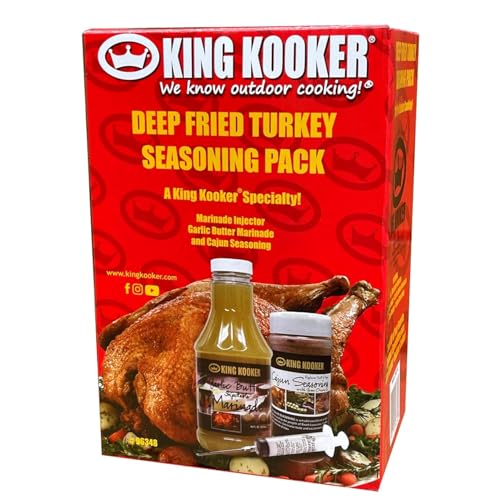

As an Amazon Associate we earn from qualifying purchases at no extra cost to you. Ratings are shown as listed on Amazon.
Ingredients
- 1 whole turkey, 8 to 20 pounds, fully thawed
- ½ cup unsalted butter, softened, for under the skin
- ¼ cup unsalted butter, softened, for the legs and breast skin
- ¼ cup unsalted butter, softened, for the final exterior coating
- 2 tablespoons finely chopped fresh sage
- 2 tablespoons finely chopped fresh thyme
- 1 tablespoon finely chopped fresh rosemary
- 1 tablespoon finely chopped fresh parsley
- 2 teaspoons finely grated lemon zest
- 2 teaspoons kosher salt, plus more for the turkey
- 1 teaspoon black pepper
- 1 lemon, halved
- 1 small onion, quartered
- 2 celery stalks, cut into large pieces
- 2 carrots, cut into large pieces
- 1 cup water or unsalted stock for the roasting pan
If the turkey is labeled “self-basting,” “enhanced,” or “contains a solution,” reduce the added salt by approximately half. These birds already contain added liquid and seasoning.
How Much Herb Butter to Use by Turkey Size
| Turkey weight | Total herb butter | Under the skin | Over the skin | Approximate roasting time at 325°F |
|---|---|---|---|---|
| 8–10 lb | ¾ cup | ½ cup | ¼ cup | 2¾–3¼ hours |
| 10–14 lb | 1 cup | ¾ cup | ¼ cup | 3–3¾ hours |
| 14–18 lb | 1¼ cups | ¾ cup | ½ cup | 3¾–4¼ hours |
| 18–20 lb | 1½ cups | 1 cup | ½ cup | 4¼–4¾ hours |
These times are planning estimates for an unstuffed turkey. A stuffed turkey generally takes longer, and a bird cooked in a crowded pan may brown more slowly. Temperature, not the clock, determines when it is done.
Why the Butter Goes Mostly Under the Skin
The breast is leaner than the legs, so placing most of the butter beneath the breast skin puts the fat directly against the meat as it roasts. It also keeps the skin from becoming greasy or pasty. A smaller amount over the skin helps the surface brown, but too much can pool in the roasting pan before the skin becomes crisp.
For an average 12-pound turkey, the 1-cup calculation works out to roughly 1⅓ tablespoons of herb butter per pound. About 1 tablespoon per pound goes under the skin and the remaining ⅓ tablespoon per pound goes on the outside. You do not need to coat every square inch heavily; a thin, even film is more effective.
Prepare the Turkey
1. Thaw and dry the bird
Thaw the turkey in the refrigerator, allowing approximately 24 hours for every 4 to 5 pounds. Remove the giblets and neck, then pat the turkey thoroughly dry with paper towels. Dry skin is one of the main requirements for crisp skin; wet skin steams before it browns.
2. Make the herb butter
Mix the softened butter with sage, thyme, rosemary, parsley, lemon zest, salt, and pepper. Leave the mixture at room temperature for 15–20 minutes if necessary, but do not melt it. Melted butter tends to run off before it can coat the meat evenly.
3. Loosen the skin carefully
Starting at the neck opening, slide your fingers between the skin and breast meat. Work slowly toward the thighs, stopping if the skin begins to tear. Divide the under-skin portion of butter into small pieces and press it beneath the skin, spreading it over both breasts and as much of the upper thighs as you can reach.
Rub the remaining butter over the breast, legs, and thighs. Season the exterior lightly, especially if the turkey has already been brined or enhanced. Place the lemon, onion, celery, and carrots in the cavity. Do not pack the cavity tightly, because this slows heat circulation.
Roasting Method for Crispy Skin
- Take the prepared turkey from the refrigerator 45–60 minutes before roasting. This takes some chill off the surface; it does not bring the entire bird to room temperature.
- Set the turkey breast-side up on a rack in a sturdy roasting pan. Add 1 cup of water or unsalted stock to the pan, keeping the liquid below the rack.
- Roast at 325°F. If the breast skin becomes dark before the meat is done, loosely cover only the breast with foil. Avoid wrapping the entire bird, which traps steam.
- Begin checking temperature about 30 minutes before the low end of the estimated cooking time. Insert an instant-read thermometer into the thickest part of the breast without touching bone, and into the thickest part of the thigh.
- Remove the turkey when the breast is 160–165°F and the thigh is at least 165°F. If the breast reaches temperature first, shield it with foil while the legs continue cooking.
- Transfer the turkey to a carving board and rest it loosely covered for 30–45 minutes. This allows juices to redistribute and gives carryover cooking time to finish the breast.
A thermometer is more reliable than the pop-up timer or the color of the juices. For food safety, verify the final internal temperature with a properly placed thermometer in more than one location.
Timing and Temperature Decisions
| Situation | Best adjustment | Reason |
|---|---|---|
| Breast browns too quickly | Cover the breast loosely with foil | Protects the skin while the legs continue cooking |
| Skin is pale near the end | Remove foil and continue roasting; increase to 350°F for the final 10–15 minutes if needed | Encourages browning without greatly extending the cook |
| Pan juices are drying out | Add ½ cup water or unsalted stock | Reduces scorching and preserves drippings for gravy |
| Turkey is done early | Rest 45 minutes, loosely covered | A whole turkey retains heat well while the juices settle |
| Legs are under 165°F but breast is ready | Shield breast and continue roasting | Dark meat benefits from a higher final temperature and longer cooking |
Common Herb Butter Mistakes
- Using cold butter: It tears the skin and forms clumps rather than an even layer. Use butter that is soft enough to spread but still opaque and thick.
- Using melted butter under the skin: Most of it runs into the pan. Soft butter stays where it is placed.
- Over-salting an enhanced turkey: Check the packaging before adding a full amount of salt.
- Pouring liquid over the skin repeatedly: Frequent basting cools the oven and softens the skin. If you baste, do it once near the end and keep the oven door closed otherwise.
- Skipping the rest: Cutting immediately releases more juice onto the board instead of keeping it in the slices.
- Stuffing by volume: A tightly filled cavity extends cooking time and can make temperature checks more complicated. Cook stuffing separately when possible.
Pet-Safe Leftovers
Turkey can be shared with a dog or cat only in small portions if it is plain, fully cooked, and free of skin, gravy, butter, onions, garlic, and seasoning. The herb butter mixture and pan gravy are not suitable pet toppings because they can contain rich fat and ingredients that pets should avoid. Never give cooked turkey bones; they can splinter. Refrigerate leftovers within two hours, remove the meat from the carcass, and use refrigerated turkey within 3–4 days. If a pet eats seasoned meat, gravy, or bones and seems unwell, contact a veterinarian or a pet poison service promptly.
Frequently Asked Questions
Can I prepare the herb butter turkey the day before?
Yes. Make the butter and apply it under and over the skin up to one day ahead. Refrigerate the uncovered turkey on a rack over a tray if possible; the dry refrigerator air helps the skin. Cover it if your refrigerator cannot prevent contact with other foods, then pat the skin dry before roasting.
Should I brine the turkey as well?
You can dry-brine it, but reduce the salt in the herb butter and use a turkey that has not already been enhanced. For an enhanced bird, adding a full wet brine and the full butter seasoning can produce overly salty meat.
How much carved meat should I expect?
Plan on approximately ¾ to 1 pound of whole turkey per guest, depending on appetites and the importance of leftovers. A 12-pound turkey commonly provides roughly 7–9 pounds of usable cooked meat and bones, though the result varies with the bird and carving technique.