Key takeaways
- 30 ml elderflower liqueur
- 90 ml chilled prosecco, preferably brut or extra dry
- 30 ml chilled soda water
- 10 ml freshly squeezed lime juice
- 6–8 mint leaves, plus one small sprig for garnish
- 150–200 g large, solid ice cubes
- A 30 ml measuring jigger or measuring cup
- A large wine glass and a long-handled spoon
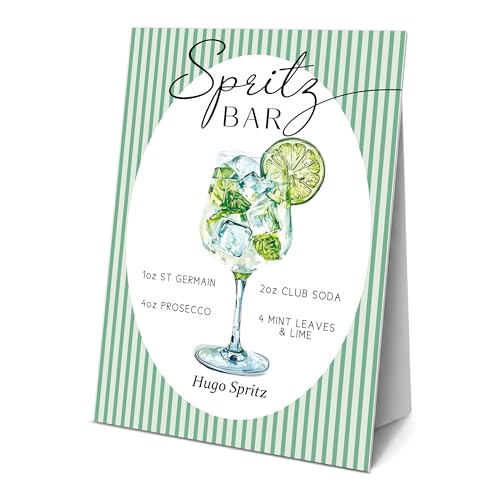
For one balanced hugo spritz recipe, combine 30 ml elderflower liqueur, 90 ml chilled prosecco, 30 ml chilled soda water, 10 ml fresh lime juice, and plenty of ice, then finish with fresh mint.
Our top picks


As an Amazon Associate we earn from qualifying purchases at no extra cost to you. Ratings are shown as listed on Amazon.
Hugo Spritz Recipe at a Glance
This ratio makes a light, floral drink with enough sparkling wine to stay refreshing without letting the elderflower liqueur become overly sweet. It yields approximately 160 ml before ice melt, or one medium wine-glass serving.
| Ingredient | Per glass | Purpose |
|---|---|---|
| Elderflower liqueur | 30 ml | Floral sweetness and aroma |
| Prosecco | 90 ml | Dry, sparkling base |
| Soda water | 30 ml | Lift and dilution |
| Fresh lime juice | 10 ml | Acidity and balance |
| Fresh mint | 6–8 leaves | Cool herbal fragrance |
| Ice | 150–200 g | Chilling without excessive dilution |
Use a large wine glass or a 350–450 ml stemmed glass. The larger capacity leaves room for ice, mint, and bubbles while keeping the drink from spilling when stirred.
Ingredients and Equipment
- 30 ml elderflower liqueur
- 90 ml chilled prosecco, preferably brut or extra dry
- 30 ml chilled soda water
- 10 ml freshly squeezed lime juice
- 6–8 mint leaves, plus one small sprig for garnish
- 150–200 g large, solid ice cubes
- A 30 ml measuring jigger or measuring cup
- A large wine glass and a long-handled spoon
“Brut” prosecco usually produces a drier result than sweeter styles. If your bottle is labelled extra dry, the drink may taste rounder and more fruit-forward, so the lime becomes especially useful. Avoid replacing soda water with lemon-lime soft drink unless you deliberately want a much sweeter, less wine-forward drink.
How to Make a Hugo Spritz
1. Chill the ingredients and glass
Refrigerate the prosecco, soda water, and elderflower liqueur before mixing. If there is time, chill the glass for 10–15 minutes. Cold ingredients preserve carbonation and reduce the amount of ice melt required.
2. Wake up the mint
Place the mint leaves in the glass and press them once or twice with the back of a spoon. Do not mash them into a paste. Excessive muddling can release bitter-tasting plant compounds and leave small fragments throughout the drink.
3. Add lime, liqueur, and ice
Pour in 10 ml lime juice and 30 ml elderflower liqueur. Fill the glass with large ice cubes, ideally to about three-quarters full. Large cubes melt more slowly than small, wet cubes and help maintain the intended proportions.
4. Add the sparkling ingredients
Pour in 90 ml prosecco slowly, followed by 30 ml soda water. Add the prosecco down the inside of the glass to reduce foaming and preserve more carbonation.
5. Stir gently and garnish
Give the drink one slow lift from the bottom with a long spoon. Finish with a mint sprig and, if desired, a thin lime wheel. Serve immediately, since bubbles and mint aroma fade after sitting.
Adjusting Sweetness Without Losing Balance
The 30 ml elderflower-to-90 ml prosecco ratio is a useful starting point, but sweetness depends on the liqueur, wine, lime, and personal preference. Change one element at a time rather than adding sugar immediately.
| Preferred result | Elderflower liqueur | Prosecco | Soda water | Lime juice |
|---|---|---|---|---|
| Drier and sharper | 20 ml | 100 ml | 35 ml | 12–15 ml |
| Balanced classic | 30 ml | 90 ml | 30 ml | 10 ml |
| Floral and rounder | 35 ml | 90 ml | 25 ml | 8–10 ml |
| Lower-sweetness, lower-alcohol style | 20 ml | 75 ml | 60 ml | 10–12 ml |
For a drink that is too sweet, first add 5 ml lime juice or 15–20 ml soda water. For a drink that is too tart, add 5 ml elderflower liqueur or use a sweeter sparkling wine. A spoonful of simple syrup is rarely necessary because the liqueur already supplies sugar.
Choosing Ingredients for the Occasion
- For a crisp aperitif: Choose brut prosecco, 20–25 ml elderflower liqueur, and 12 ml lime juice.
- For a relaxed garden gathering: Use the classic 30:90:30 ratio and plenty of mint. Prepare the lime juice shortly before serving.
- For guests who prefer milder drinks: Use 20 ml liqueur, 75 ml prosecco, and 60 ml soda water. This increases dilution and keeps the flavor lighter.
- For a sweeter floral profile: Use 35 ml liqueur, but keep the lime at 10 ml so the drink does not become syrupy.
- For a single bottle of prosecco: A 750 ml bottle provides eight 90 ml pours. At the classic ratio, you will need 240 ml elderflower liqueur, 240 ml soda water, and 80 ml lime juice for eight glasses.
Worked Batch Calculation
To make eight servings, multiply every per-glass measurement by eight: 240 ml elderflower liqueur, 720 ml prosecco, 240 ml soda water, and 80 ml lime juice. Since a standard prosecco bottle contains 750 ml, reserve the final 30 ml rather than forcing an exact pour. Add the sparkling ingredients just before serving, not hours in advance, because pre-batched carbonated drinks lose their fizz.
For a four-person gathering, use half those amounts: 120 ml elderflower liqueur, 360 ml prosecco, 120 ml soda water, and 40 ml lime juice. Measuring the batch is more reliable than estimating from a bottle, particularly with sweet liqueur.
Common Mistakes and Ownership Realities
Using warm ingredients
Warm prosecco foams more readily and encourages people to add extra ice, which can water down the drink. Refrigeration is the simplest quality improvement.
Overfilling with crushed ice
Crushed ice chills rapidly but melts quickly. It can be useful for a very short serving window, but large cubes are the better choice when guests will sip over 20–30 minutes.
Adding mint too aggressively
Bruised mint gives aroma; shredded mint gives debris and can make the final mouthfeel unpleasant. Replace tired mint rather than trying to revive it with extra muddling.
Opening more prosecco than needed
Once opened, sparkling wine gradually loses carbonation. A properly sealed sparkling-wine stopper can help preserve an opened bottle in the refrigerator for a short period, but it will not restore fizz that has already escaped. Plan pours around the number of guests.
Cleaning after serving
Rinse glasses promptly so lime pulp, mint fragments, and sugary liqueur do not dry onto the surface. Wash the jigger and spoon with warm soapy water, especially around seams or textured handles where sticky residue can remain.
Pet-Safe Serving Notes
Keep the drink, prosecco, liqueur, lime, and mint away from pets. Alcohol can be dangerous to animals even in relatively small amounts, and spilled cocktails should be cleaned immediately rather than left for a curious dog or cat. Avoid using cocktail garnishes as pet treats, and keep glasses on stable, elevated surfaces. If a pet consumes alcohol, contact a veterinarian or an animal poison service promptly rather than waiting for symptoms.
Frequently Asked Questions
Can I make a Hugo spritz without elderflower liqueur?
You can make a different mint-and-sparkling-wine spritz, but elderflower liqueur is the ingredient that supplies the characteristic floral sweetness. An elderflower-flavored non-alcoholic syrup can work, although the amount varies considerably by brand, so add it gradually and taste before adding more.
Can I use lemon instead of lime?
Yes. Replace 10 ml lime juice with 10 ml lemon juice. Lemon is usually more direct and sharper, while lime gives a greener, more aromatic finish. Fresh juice is preferable because bottled juice can taste flatter or more acidic.
Is prosecco essential?
Prosecco is traditional for this style, but another dry, chilled sparkling wine can work. Choose a wine with moderate acidity and avoid heavily sweet sparkling wines unless you reduce the elderflower liqueur.
How long can I keep a prepared Hugo spritz?
It is best consumed immediately. After roughly 10–15 minutes, the drink may still be cold but will usually have less carbonation and a weaker mint aroma. Prepare each glass to order whenever possible.