Key takeaways
- Mouthpiece fit: Check whether replacement mouthpieces are available and whether the included one suits your playing style.
- Power: Battery operation is convenient away from an outlet, but batteries add recurring cost and can run down mid-session. Keep a spare set or use the supported power adapter.
- Connections: Confirm the exact headphone, audio, USB, and MIDI connections you need. A plug that fits physically does not guarantee compatibility with your phone or computer.
- Transport: Use a case that protects keys and controls; avoid packing the instrument while damp.
- Learning curve: Budget time to set breath response and fingering. A digital instrument can be quiet, but it still takes practice to control tone and phrasing.
Best digital wind instruments: quick picks by playing situation
The best digital wind instrument for a beginner is usually an entry-level Yamaha YDS model or a Roland Aerophone entry model; for a gigging musician who needs flexible sounds and performance controls, consider the Yamaha YDS-150 or a higher-tier Roland Aerophone such as the AE-30. Choose by how the instrument responds to your breath and hands—not by the number of sounds in its menu.
Digital wind instruments, often called digital saxophones or wind MIDI controllers, use a mouthpiece sensor and electronic fingering controls to trigger sounds through headphones, an amplifier, or MIDI. They can be quieter and more portable than acoustic instruments, but they do not reproduce the exact resistance, embouchure, or acoustic projection of a traditional horn. If you already play saxophone, clarinet, or another wind instrument, check the fingering layout and breath response before assuming it will feel familiar.
Our top picks

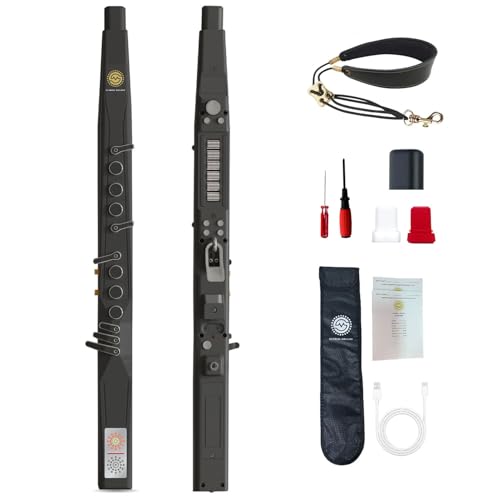

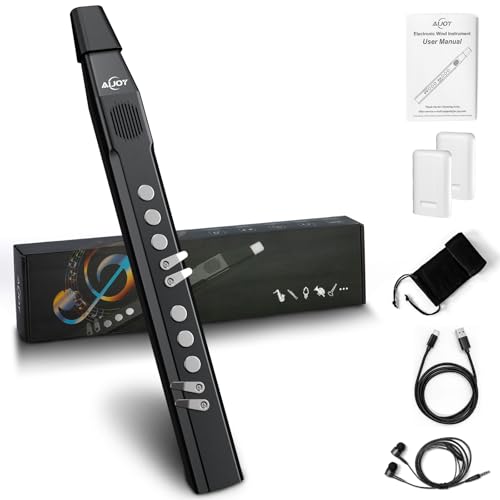
As an Amazon Associate we earn from qualifying purchases at no extra cost to you. Ratings are shown as listed on Amazon.
Compare the main options
The figures below are manufacturer-published specifications for representative models; weights and battery life can vary with accessories and usage. Prices are broad market ranges, not quotes, and may vary by region.
| Instrument | Approx. weight | Power | Sound and control profile | Typical price range | Best fit |
|---|---|---|---|---|---|
| Yamaha YDS-120 | About 0.8 kg | USB power; no built-in battery | 73 built-in voices; headphone output and breath-sensitive control | $300–$450 | Beginners and home practice |
| Yamaha YDS-150 | About 1.0 kg | Four AAA batteries or USB power | 73 voices; onboard speaker; saxophone-style fingering options | $700–$1,000 | Players who want a self-contained, portable instrument |
| Roland Aerophone AE-20 | About 1.1 kg | Four AA batteries or AC adapter | Over 250 onboard tones; multiple fingering systems and sound-editing features | $800–$1,200 | Performers wanting variety without a flagship price |
| Roland Aerophone AE-30 | About 1.1 kg | Four AA batteries or AC adapter | Over 300 onboard tones; extensive controls, editing, and connectivity | $1,300–$1,800 | Frequent performers and players building layered setups |
Confirm current specifications with the manufacturer before buying, particularly battery life, included accessories, and supported connections. “Number of sounds” is not a direct measure of sound quality: a smaller, usable set can be more practical than hundreds of presets you rarely select.
Choose by your situation
| Your situation | What matters most | Shortlist |
|---|---|---|
| New to wind instruments; occasional practice | Manageable price, headphone practice, simple setup | YDS-120 or a comparable entry model |
| Already play saxophone and want quieter practice | Familiar fingering, adjustable breath response, comfortable mouthpiece | Compare YDS models and Aerophone fingering options in person if possible |
| Perform regularly and switch between instrument sounds | Reliable patch changes, controls within reach, expressive breath response | Aerophone AE-20 or AE-30 |
| Need a portable instrument for rehearsals or travel | Battery operation, weight, case protection, easy output connection | YDS-150 or a battery-powered Aerophone model |
| Mostly use a computer or music software | MIDI or USB connectivity, compatible drivers, low-latency monitoring | Choose based on verified connection compatibility, not onboard tones alone |
What makes one feel better than another?
Breath sensitivity
Breath sensors translate air pressure into volume, dynamics, or other expression. A good match lets you start a note without blowing excessively and increase intensity smoothly. Beginners may prefer a forgiving response that does not demand precise breath control; experienced players may want a wider dynamic range and settings they can tailor to their phrasing.
Try soft attacks, sustained notes, and quick changes in volume. If the sound jumps abruptly from quiet to loud, or notes trigger only when you blow hard, look for adjustable breath sensitivity. Also check whether the instrument distinguishes breath pressure from bite or lip pressure; some models use additional sensors, but their behavior and available settings differ.
Fingering options
Some instruments are designed around saxophone-style fingering, while others offer alternate systems or configurable key assignments. This can make the transition easier for an existing player, but key spacing, octave controls, and the physical feel are still different from an acoustic saxophone. Players coming from flute, clarinet, or recorder should verify that the selected fingering mode supports their habits rather than relying on a model’s general “multiple fingerings” claim.
For a first instrument, prioritize keys you can reach comfortably and a layout you can learn consistently. For a performer, check whether alternate fingering, octave changes, and pitch controls are accessible without disrupting your grip.
Built-in sounds and performance controls
For practice, a few convincing sounds and a headphone jack may be all you need. For performance, look at how quickly you can change patches, whether the instrument supports custom sounds or effects, and how easily it connects to an amplifier, mixer, or computer. A large sound library is useful only if you can find and switch between sounds reliably while playing.
Listen to the sounds you expect to use—especially saxophones, flutes, clarinets, and brass—through headphones and the intended speaker. Built-in speakers are handy for casual practice, but they are not a substitute for a stage amplification system.
Ownership details that affect the decision
Digital wind instruments avoid many routine costs associated with acoustic reeds, but they still need care. Saliva collects around the mouthpiece and air path, while keys and buttons can wear from repeated use. Follow the maker’s cleaning instructions; wipe the mouthpiece and exterior after playing, let moisture dry before storing, and do not push cloths or liquids into openings unless the manual permits it. Avoid sharing a mouthpiece without appropriate cleaning.
- Mouthpiece fit: Check whether replacement mouthpieces are available and whether the included one suits your playing style.
- Power: Battery operation is convenient away from an outlet, but batteries add recurring cost and can run down mid-session. Keep a spare set or use the supported power adapter.
- Connections: Confirm the exact headphone, audio, USB, and MIDI connections you need. A plug that fits physically does not guarantee compatibility with your phone or computer.
- Transport: Use a case that protects keys and controls; avoid packing the instrument while damp.
- Learning curve: Budget time to set breath response and fingering. A digital instrument can be quiet, but it still takes practice to control tone and phrasing.
Bottom line
For a lower-cost route into digital wind playing, the Yamaha YDS-120 is a sensible place to start if USB power and headphone practice meet your needs. The YDS-150 adds an onboard speaker and battery-powered portability. For musicians who need more sound choices, editing, and performance flexibility, compare the Roland Aerophone AE-20 and AE-30, then choose according to the controls and connections you will actually use.
Before committing, test the mouthpiece, key reach, breath response, and patch navigation if a local music retailer has a display model. Those practical details are more likely to determine whether you keep playing than the headline sound count.